Industrial Components: Types, Facts, Applications, Materials, and Their Role in Modern Manufacturing
Industrial components are individual parts used to construct, operate, control, and maintain machinery, equipment, and manufacturing systems. These components perform different functions, including transferring mechanical power, supporting moving parts, controlling electrical signals, regulating fluid pressure, and connecting structural assemblies. From small fasteners to advanced automation devices, industrial components are essential to the operation of manufacturing plants, processing facilities, warehouses, energy systems, and construction equipment.
Modern industrial operations depend on components that can perform reliably under specific operating conditions. Engineers consider factors such as load capacity, temperature, vibration, pressure, material strength, and dimensional accuracy when selecting parts for a particular application. The correct combination of components helps equipment operate as intended and supports consistent production quality. Understanding industrial components is therefore useful for students, technicians, maintenance professionals, engineers, and anyone interested in industrial manufacturing.
Types of Industrial Components
Industrial components are generally classified according to their functions and the systems in which they operate. Some components support mechanical movement, while others manage electrical power, fluid flow, automation, or structural stability. The type of component required depends on the design and operating requirements of the equipment.
Mechanical Components
Mechanical components are used to transmit force, support movement, reduce friction, and connect machine assemblies. Common examples include bearings, gears, shafts, pulleys, couplings, springs, and fasteners. These parts are widely used in conveyor systems, machine tools, industrial pumps, compressors, packaging equipment, and heavy machinery.
Bearings support rotating or moving parts and help reduce friction between contacting surfaces. Gears transfer rotational movement and can change speed or torque, while shafts transmit mechanical power between different parts of a machine. Pulleys and belts are frequently used in power transmission and material-handling applications. The dimensions, material properties, lubrication requirements, and load ratings of these components influence their performance and suitability for industrial use.
Electrical and Electronic Components
Electrical and electronic components provide power, control signals, monitoring functions, and communication within industrial equipment. Common examples include electric motors, switches, relays, circuit breakers, connectors, sensors, power supplies, and electronic control modules. These components are used in production machinery, electrical panels, industrial control systems, and automated manufacturing facilities.
Electric motors convert electrical energy into mechanical movement, while relays and contactors help control electrical circuits. Sensors measure conditions such as temperature, pressure, position, and vibration. Electronic controllers process signals and coordinate equipment functions. Correct component ratings, wiring arrangements, electrical protection, and environmental suitability are important considerations when designing or maintaining industrial electrical systems.
Hydraulic Components
Hydraulic components use pressurized liquid to transmit power and control movement. They are commonly found in hydraulic presses, construction machinery, material-handling equipment, agricultural machines, and industrial lifting systems. Major components include hydraulic pumps, cylinders, valves, filters, hoses, seals, and reservoirs.
A hydraulic pump supplies fluid flow, while a hydraulic cylinder converts fluid pressure into linear movement. Valves regulate the direction, pressure, or flow of the fluid according to system requirements. Filters help remove contaminants that could damage sensitive components. The performance of a hydraulic system depends on suitable pressure ratings, fluid compatibility, sealing materials, and regular inspection.
Pneumatic Components
Pneumatic components use compressed air to produce movement or operate control mechanisms. They are frequently used in packaging lines, assembly equipment, sorting systems, and automated production processes. Typical components include air compressors, pneumatic cylinders, directional control valves, regulators, filters, air hoses, and fittings.
Compressed air can provide a practical method of operating repetitive machine movements. Pneumatic cylinders, for example, are used to push, pull, lift, or position objects during manufacturing operations. Air preparation equipment helps regulate pressure and remove moisture or contaminants. Properly designed pneumatic systems also require suitable tubing, secure connections, pressure controls, and appropriate safety measures.
Industrial Automation Components
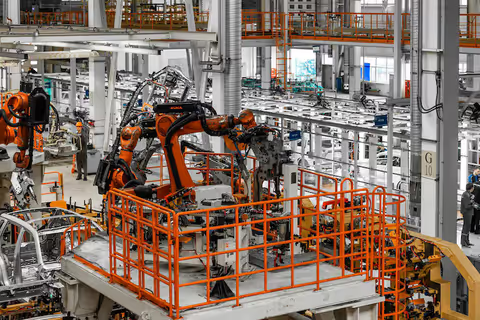
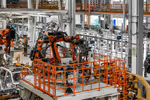
Industrial automation components help machines perform operations with limited manual intervention. These components are important in automated assembly lines, robotic systems, quality inspection equipment, and modern manufacturing facilities. Common examples include programmable logic controllers (PLCs), sensors, variable frequency drives, servo motors, human-machine interfaces, and industrial communication devices.
A PLC executes programmed instructions based on input signals from sensors and other devices. Variable frequency drives regulate the speed of compatible electric motors, while servo systems provide controlled movement in applications that require accurate positioning. Human-machine interfaces allow operators to view operating information and interact with equipment. When integrated correctly, these technologies support repeatable processes, process monitoring, and improved production control.
Materials Used in Industrial Components
The material selected for an industrial component influences its strength, durability, weight, corrosion resistance, and operating characteristics. Material selection depends on the component's intended function and the environment in which it will operate. Common materials include carbon steel, stainless steel, alloy steel, aluminum, cast iron, brass, bronze, engineering plastics, rubber, and composite materials.
Metal Components
Steel is widely used in industrial machinery because different grades can provide useful combinations of strength, toughness, and machinability. Stainless steel is often selected for applications where corrosion resistance is important. Aluminum is useful when lower weight is desirable, while cast iron is commonly used in machine bases, housings, and other structures that benefit from its mechanical properties and vibration-damping characteristics.
Brass and bronze are used in selected fittings, bushings, bearings, and other components according to their wear, corrosion, and friction characteristics. The appropriate metal grade depends on the required load capacity, operating temperature, manufacturing method, and exposure to chemicals or moisture.
Plastic and Rubber Components
Engineering plastics are used for bushings, guides, insulating parts, housings, and components that benefit from lower weight or reduced friction. Certain plastics can also provide useful resistance to specific chemicals. However, temperature limits, creep, impact resistance, and compatibility with surrounding materials must be evaluated before use.
Rubber and other elastomers are common in seals, gaskets, vibration mounts, hoses, and flexible connectors. These materials can help contain fluids, reduce vibration, and accommodate limited movement between connected parts. Their suitability depends on factors such as temperature, pressure, chemical exposure, and the type of fluid or gas involved.
Applications of Industrial Components Across Industries
Industrial components are used in a wide range of sectors because every machine or production system requires parts that support movement, power transmission, control, and structural integrity. The specific components vary according to industry requirements and equipment design.
Manufacturing and CNC Machining
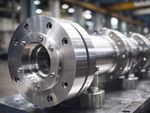
Manufacturing facilities use mechanical parts, cutting tools, motors, sensors, bearings, and precision-engineered components in production machinery. CNC machining uses computer-controlled equipment to produce components with specified dimensions and surface characteristics. Its applications include the production of shafts, housings, brackets, fixtures, and other precision parts.
Component accuracy is particularly important in equipment where alignment, tolerances, and repeatability affect the final product. Engineers consider material properties, machining requirements, inspection methods, and dimensional specifications when determining whether a component is appropriate for a particular assembly.
Automotive and Heavy Equipment
Automotive manufacturing relies on components such as gears, bearings, fasteners, sensors, electrical connectors, and powertrain parts. Heavy equipment used in construction, mining, and agriculture also depends on hydraulic cylinders, pumps, valves, shafts, filters, and structural components.
These applications may involve substantial loads, repeated movement, dust, vibration, moisture, or changing temperatures. Components must therefore be selected according to the operating conditions and the relevant technical requirements of the equipment.
Energy and Power Generation
Power generation and energy infrastructure use industrial components in generators, turbines, pumps, electrical distribution systems, cooling equipment, and monitoring devices. Electrical components help distribute and protect power, while mechanical parts support rotating equipment and structural assemblies.
Temperature, vibration, electrical loading, and environmental exposure can influence component performance in these settings. Inspection, monitoring, and maintenance procedures help identify deterioration and support the reliable operation of equipment.
Food Processing and Pharmaceutical Manufacturing
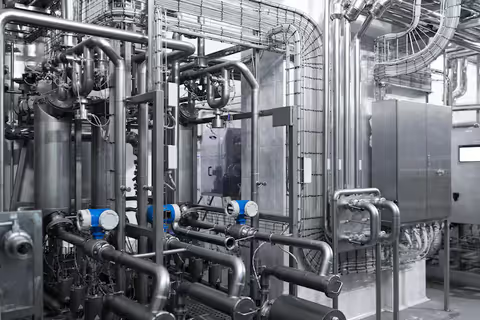
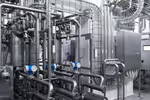
Food processing and pharmaceutical facilities use pumps, valves, motors, sensors, conveyors, seals, and control equipment. In these environments, component material selection and equipment design may need to meet specific hygiene, cleaning, corrosion-resistance, or regulatory requirements.
Surfaces, seals, and fluid-contact materials must be compatible with the process and cleaning methods. Depending on the application, equipment may also require documented material specifications, suitable protective enclosures, and controlled operating procedures.
How to Select the Right Industrial Components
Selecting industrial components involves more than matching the appearance or dimensions of an existing part. Engineers and maintenance teams need to verify whether a component meets the mechanical, electrical, environmental, and operational requirements of the system.
Dimensions and Technical Specifications
Dimensions such as length, diameter, thickness, bore size, thread type, mounting arrangement, and tolerances are important when determining component compatibility. Electrical parts require checks of voltage, current, power rating, connection type, and other relevant specifications. Hydraulic and pneumatic components must be suitable for the required pressure, flow, fluid, and connection standards.
Technical drawings, equipment manuals, part numbers, and manufacturer documentation can help establish the correct specifications. Where a replacement is required, compatibility should be confirmed rather than assumed from a similar appearance.
Operating Conditions and Material Compatibility
The operating environment influences component selection. High temperatures, continuous vibration, heavy loads, corrosive substances, moisture, and abrasive particles may require particular material properties or protective features.
For example, a component exposed to corrosive conditions may require a suitable corrosion-resistant material, while a rotating component may need an appropriate load rating and lubrication arrangement. Engineers should evaluate the complete operating environment rather than relying on a single specification.
Quality Standards and Safety Requirements
Quality documentation can help establish whether an industrial component meets the required technical criteria. Depending on the application, relevant documents may include material certificates, inspection records, dimensional reports, test results, and applicable conformity documentation.
Safety-critical components require particular attention to applicable standards, approved designs, and equipment-manufacturer requirements. A substitute part should not be considered suitable solely because its dimensions appear compatible. Installation and replacement work should follow the relevant technical instructions and safety procedures.
Industrial Component Maintenance and Inspection
Maintenance helps identify wear, damage, contamination, and performance changes before they lead to more serious equipment problems. The appropriate inspection method depends on the component type, operating environment, and consequences of failure.
Preventive Maintenance
Preventive maintenance involves scheduled inspections and servicing based on manufacturer guidance and operating requirements. Common tasks include checking fasteners, inspecting belts, monitoring lubrication, examining seals, cleaning filters, and verifying electrical connections where appropriate.
Regular inspection records can help maintenance teams identify recurring issues and understand how components change over time. Maintenance intervals should reflect equipment use, operating conditions, manufacturer recommendations, and applicable safety requirements.
Condition Monitoring and Predictive Maintenance
Condition monitoring uses measurements or observations to assess equipment health. Common techniques include vibration analysis, temperature monitoring, oil analysis, and electrical measurements. Sensors can also collect operating data that helps maintenance teams identify abnormal conditions.
Predictive maintenance uses available condition data to help estimate when maintenance may be necessary. Its effectiveness depends on reliable measurements, suitable analysis, and correct interpretation. Monitoring does not eliminate the need for inspections or established safety procedures, but it can provide additional information for maintenance planning.
Emerging Trends in Industrial Components
Industrial components continue to evolve alongside automation, digital monitoring, advanced materials, and modern manufacturing processes. These developments influence how components are designed, produced, inspected, and maintained.
Smart Sensors and Industrial IoT
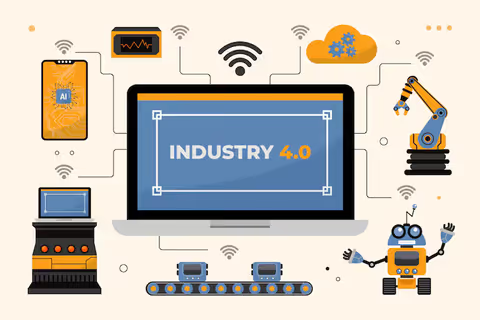
Industrial Internet of Things (IIoT) systems connect compatible sensors, machines, and monitoring platforms to collect operating information. Depending on the application, the collected data may include temperature, vibration, pressure, energy consumption, or production status.
This information can help technical teams observe equipment conditions and identify changes that require investigation. Successful implementation depends on suitable sensors, reliable communication, data quality, cybersecurity controls, and integration with existing industrial systems.
Advanced Manufacturing and Precision Engineering
CNC machining, automated inspection, additive manufacturing, and computer-aided design are used in different stages of component production. These methods can support complex geometries, repeatable manufacturing processes, and detailed dimensional inspection.
The appropriate manufacturing process depends on the material, component design, production volume, required tolerances, and performance criteria. Quality verification remains important regardless of the production method.
Energy Efficiency and Sustainable Design
Energy efficiency is an important consideration in the design and operation of industrial equipment. Suitable motors, efficient drive systems, properly selected bearings, effective sealing, and appropriate lubrication can contribute to reducing unnecessary energy losses in relevant applications.
Material selection and component durability also influence maintenance needs and the frequency of replacement. Assessing the full operating life of equipment provides a broader understanding of resource use than considering initial material selection alone.
Conclusion
Industrial components are fundamental to the operation of machinery, manufacturing equipment, automation systems, energy infrastructure, and processing facilities. Mechanical, electrical, hydraulic, pneumatic, and electronic components each perform specific functions that contribute to the operation of larger systems.
Understanding component types, materials, specifications, applications, and maintenance requirements supports more informed engineering and maintenance decisions. As industrial technology develops, precision manufacturing, connected sensors, condition monitoring, and energy-efficient equipment continue to influence the design and use of industrial components.