How to Choose Industrial Plastic Material Suppliers for Different Manufacturing Needs
Industrial plastic material suppliers support manufacturing, packaging, construction, automotive and several other industries by providing polymers in different forms and grades. These materials are used to produce components, containers, pipes, insulation products and precision-engineered parts. Plastic raw material suppliers offer different polymer types depending on strength, flexibility, temperature resistance and processing requirements. Understanding material properties and manufacturing methods helps businesses make informed decisions about industrial plastic applications.
1. Understanding Industrial Plastic Material Suppliers
Industrial plastic material suppliers provide polymers and plastic products used in manufacturing and engineering processes. Their products may include plastic granules, resin pellets, sheets, rods, films, pipes and moulded components.
Plastic materials are available in different chemical compositions and performance grades. Common categories include polyethylene, polypropylene, polyvinyl chloride, polystyrene, polycarbonate, nylon and polyethylene terephthalate.
Some suppliers focus on distributing raw polymers, while others provide processed materials or specialised components. Businesses may also work with manufacturers that convert plastic resin into finished products through processes such as injection molding, extrusion and blow molding.
The selection process usually depends on the intended application, production method, required dimensions, environmental conditions and applicable technical standards.
2. Importance of Industrial Plastics
Industrial plastics are used because they can provide a combination of low weight, corrosion resistance, design flexibility and electrical insulation. Their properties vary according to the polymer type, additives and manufacturing conditions.
These materials support several industrial sectors:
Automotive: Plastic components are used in dashboards, connectors, interior panels and selected under-the-hood applications.
Packaging: Films, containers, bottles and protective packaging are manufactured from different polymer grades.
Construction: Plastic pipes, insulation materials, sheets and fittings are used in building systems.
Electrical equipment: Selected polymers provide insulation and protection for cables, housings and connectors.
Healthcare: Specialised plastic grades are used in medical packaging, equipment housings and selected disposable products.
Consumer manufacturing: Plastic components are used in appliances, furniture and household equipment.
Industrial plastics can also help simplify complex product designs. However, material suitability must be assessed carefully, especially where products experience heat, pressure, chemical exposure or mechanical stress.
3. Recent Developments in the Plastic Industry
The industrial plastics sector has continued to develop during 2024–2026, with increasing attention to material efficiency, recycling, product performance and manufacturing automation.
Important developments include:
Recycled polymer use: Manufacturers are exploring recycled plastic content in suitable applications while evaluating consistency and material performance.
Advanced polymer grades: Engineering plastics and specialised compounds are used for applications requiring particular thermal, mechanical or chemical properties.
Manufacturing automation: Automated molding and inspection systems help improve production monitoring and repeatability.
Lightweight product design: Automotive and industrial manufacturers continue to examine plastic components as alternatives to heavier materials in suitable applications.
Material traceability: Digital records and batch identification support quality monitoring across the supply chain.
Circular material systems: Product designers are paying greater attention to recyclability, material recovery and waste reduction.
These developments vary by industry and application. Recycled content, for example, may not be appropriate for every product, particularly where strict performance or regulatory requirements apply.
4. Indian Regulations and Compliance
Plastic manufacturing, processing, packaging and waste management in India are subject to environmental and product-related requirements. Businesses should identify the rules that apply to their specific activity.
Important regulatory considerations include:
Plastic Waste Management Rules, 2016: These rules establish a framework for plastic waste management and have been amended over time.
Extended Producer Responsibility: Applicable producers, importers and brand owners may have obligations relating to plastic packaging waste under the relevant rules.
Central Pollution Control Board requirements: Applicable registrations, guidelines and compliance procedures may apply to businesses involved in plastic packaging and waste management.
BIS standards: Relevant Bureau of Indian Standards specifications may apply to particular plastic products, materials and testing methods.
Environmental permissions: Plastic manufacturing and processing facilities may require applicable consent or approvals from the relevant State Pollution Control Board or Pollution Control Committee.
Requirements depend on the business activity, product category and current regulatory provisions. Companies should verify applicable rules before manufacturing, importing or distributing plastic materials.
5. Types of Industrial Plastic Materials
Different polymers offer different characteristics. The following table provides a general overview of commonly used materials.
| Plastic material | Main properties | Common applications |
|---|---|---|
| Polyethylene (PE) | Flexible, moisture resistant and lightweight | Films, containers and pipes |
| Polypropylene (PP) | Chemical resistance and fatigue resistance | Automotive parts, packaging and containers |
| Polyvinyl chloride (PVC) | Durable and available in rigid or flexible forms | Pipes, fittings and cable insulation |
| Polycarbonate (PC) | Impact resistance and transparency | Safety components and equipment housings |
| Nylon (PA) | Strength, wear resistance and engineering performance | Gears, bearings and machine components |
| Polyethylene terephthalate (PET) | Strength and useful barrier properties | Bottles, films and packaging |
Plastic Raw Material Suppliers
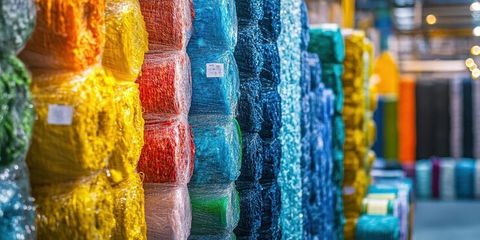
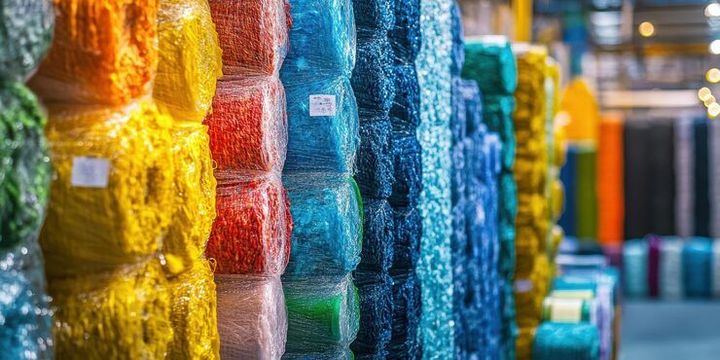
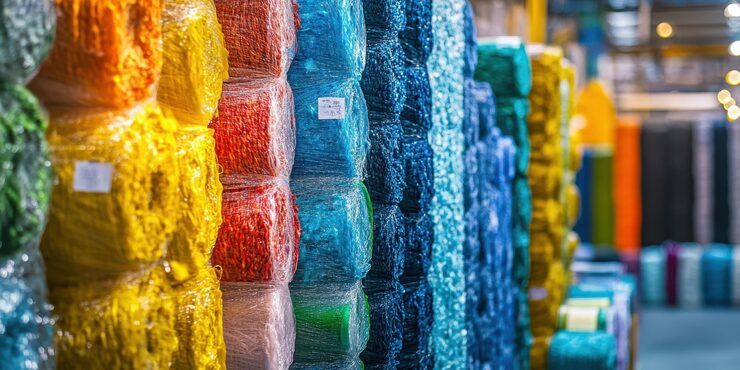
Plastic raw material suppliers provide polymers in forms such as granules, pellets and powders. These materials are processed into finished or semi-finished products using suitable manufacturing equipment.
When evaluating a supplier, businesses should examine polymer grade, melt flow rate, density, moisture requirements, colour, additives and technical data. Material consistency is particularly important for manufacturers operating automated production lines.
Industrial Plastic Suppliers
Industrial plastic suppliers may provide raw materials as well as sheets, rods, tubes, profiles and finished components. Their product range depends on the industries and applications they support.
Buyers should check dimensions, tolerances, mechanical properties, chemical compatibility and operating temperature. Storage conditions and packaging can also affect material quality, especially for moisture-sensitive polymers.
Wholesale Plastic Resin Suppliers
Wholesale plastic resin suppliers generally handle larger quantities of polymer materials for manufacturing and processing businesses. Resin may be available in standard grades, specialised compounds or recycled formulations.
Important purchasing considerations include batch consistency, minimum order quantities, delivery arrangements, storage requirements and technical documentation. Businesses should also confirm whether the resin grade is suitable for their specific production equipment.
Custom Plastic Manufacturing
Custom plastic manufacturing involves producing components according to defined designs, dimensions and performance requirements. Common processes include injection molding, extrusion, blow molding, thermoforming and rotational molding.
The process depends on product geometry, production volume, material type and required surface finish. A technical drawing and clear material specification help manufacturers understand the component requirements before production begins.
Plastic Injection Molding Companies
Plastic injection molding companies manufacture components by heating plastic resin and injecting it into a mould cavity. After cooling and solidification, the component is removed for inspection or further processing.
This method is commonly used for products requiring repeatable dimensions and detailed shapes. Important factors include mould design, resin selection, machine settings, cooling time and quality inspection.
Injection molding can be used for automotive components, electrical housings, packaging parts, appliance components and industrial fittings.
6. Tools and Resources for Material Selection
Businesses can use technical resources to evaluate plastic materials and manufacturing processes.
Technical data sheets: Review polymer properties, processing temperatures and recommended applications.
Safety data sheets: Understand chemical handling, storage and workplace precautions.
Material testing: Assess tensile strength, impact resistance, hardness and thermal behaviour.
CAD software: Prepare product designs and dimensional drawings.
Mould-flow analysis: Examine how molten plastic may fill a mould and identify potential manufacturing issues.
Inventory systems: Monitor resin grades, batch numbers, quantities and storage conditions.
Material testing should follow suitable methods and specifications for the intended application. A qualified materials engineer can help interpret results when performance requirements are complex.
7. Frequently Asked Questions
1. What do industrial plastic material suppliers provide?
They may provide plastic granules, resin pellets, sheets, rods, pipes, films and finished plastic components. Product availability varies by supplier and polymer category.
2. Which plastic materials are commonly used in manufacturing?
Polyethylene, polypropylene, PVC, polycarbonate, nylon and PET are widely used. Each material has different properties and application requirements.
3. What should businesses check when selecting wholesale plastic resin suppliers?
They should review polymer grade, technical specifications, batch consistency, documentation, storage conditions and delivery arrangements.
4. What is custom plastic manufacturing?
It is the production of plastic components according to specific designs, dimensions and performance requirements using processes such as injection molding or extrusion.
5. How do plastic injection molding companies produce components?
They heat plastic resin until it can flow, inject it into a mould and allow it to cool. The finished component is then removed and inspected.
8. Conclusion
Industrial plastic material suppliers support manufacturing, construction, packaging, automotive and engineering activities through a wide range of polymer products. Material selection depends on mechanical properties, temperature requirements, chemical exposure and the intended production process. Understanding supplier categories, resin specifications and manufacturing methods helps businesses evaluate material suitability. Clear technical documentation and appropriate quality checks support consistent industrial production.

You May Also Like