Industrial Garment Manufacturing: Processes, Machinery, Materials, and Modern Technology
Industrial garment manufacturing is the process of producing clothing and apparel on a commercial scale using specialized machinery, trained workers, standardized procedures, and quality management systems. It supports several industries, including fashion, workwear, healthcare uniforms, sportswear, hospitality clothing, and protective apparel. Unlike small-scale tailoring, industrial garment production focuses on consistent quality, efficient material use, standardized sizing, and organized workflows.
Modern garment manufacturing combines traditional sewing techniques with advanced production equipment, digital pattern-making tools, automated fabric cutting, inventory management, and production planning software. These technologies help manufacturers manage materials, maintain consistent product quality, and organize production schedules. Understanding industrial garment manufacturing provides useful insight into how raw fabrics become finished garments and how manufacturing facilities respond to changing requirements in the apparel market.
What Is Industrial Garment Manufacturing?
Industrial garment manufacturing refers to the systematic production of clothing in factories or specialized production facilities. Unlike small-scale tailoring, which typically produces individual garments according to specific measurements, industrial production generally follows standardized patterns, size specifications, and repeatable manufacturing procedures.
The process begins with fabric selection and product design before moving through pattern development, fabric spreading, cutting, stitching, finishing, and final inspection. Each stage has a specific role in maintaining production efficiency and garment consistency. The exact workflow depends on the type of clothing, fabric properties, design complexity, and production volume.
Main Applications of Industrial Garments
Industrial garment production serves several sectors of the economy. Fashion and retail companies require everyday clothing, while manufacturing plants, construction sites, healthcare facilities, hotels, and logistics operations may require specialized uniforms and workwear. Other applications include sports apparel, outdoor clothing, institutional garments, and certain categories of protective clothing.
The requirements vary by application. Everyday apparel may prioritize appearance, comfort, and durability, whereas industrial workwear may require reinforced seams, abrasion resistance, easy maintenance, or compliance with relevant safety standards. Understanding the intended application helps manufacturers choose suitable fabrics, stitching methods, and finishing processes.
Types of Industrial Garments
Industrial garments can be classified according to their purpose, fabric composition, construction, and performance requirements. Each category requires different manufacturing methods and quality checks.
Workwear and Industrial Uniforms
Workwear includes shirts, trousers, coveralls, jackets, and uniforms designed for manufacturing plants, workshops, warehouses, and maintenance facilities. These garments often use cotton, polyester-cotton blends, or durable synthetic fabrics. Manufacturers pay particular attention to seam strength, pocket construction, fabric durability, and resistance to repeated washing.
Protective Clothing
Protective garments are designed for specific workplace hazards. Depending on the application, they may provide flame resistance, chemical splash protection, high visibility, or other specialized properties. Manufacturers must select suitable materials and follow applicable testing and certification requirements. Ordinary workwear should not be treated as protective equipment unless it meets the relevant requirements.
Healthcare and Hospitality Garments
Healthcare garments include medical uniforms, laboratory coats, and certain specialized protective garments. Hospitality clothing includes hotel uniforms, kitchen garments, and housekeeping apparel. Comfort, breathability, ease of cleaning, color retention, and consistent sizing are important considerations during production.
Sportswear and Technical Apparel
Sportswear and technical apparel may use stretch fabrics, moisture-management materials, lightweight knits, and specialized seams. These garments often require careful fabric handling because elastic materials can stretch or distort during cutting and sewing.
Industrial Garment Manufacturing Process
Industrial garment production follows a sequence of coordinated operations. Although the precise process varies by product, the main stages remain similar across many apparel manufacturing facilities.
1. Design and Pattern Making
The process begins with a garment design, technical specifications, measurements, and a suitable size range. Pattern makers create templates for individual garment components, such as sleeves, collars, cuffs, pockets, and body panels. Computer-aided design (CAD) software helps develop patterns, grade sizes, and prepare cutting layouts.
Accurate patterns are essential because mistakes at this stage can affect fabric consumption, garment fit, assembly, and final quality.
2. Fabric Inspection and Preparation
Before cutting, fabric rolls are checked for holes, stains, color variations, weaving defects, and other irregularities. Fabric may also need relaxation or conditioning, particularly when knitted materials are likely to shrink or stretch.
Fabric inspection helps reduce defects in finished garments and supports better material planning. Manufacturers also verify that the fabric composition and performance match the product specifications.
3. Fabric Spreading and Cutting
Fabric spreading involves arranging layers of material on a cutting table. Cutting machines then separate the layers into pattern-shaped components. Depending on production requirements, factories may use straight-knife cutters, band-knife machines, die-cutting systems, or computer-controlled cutting equipment.
Automated fabric cutting machines can improve repeatability and help optimize marker layouts. However, cutting accuracy still depends on fabric alignment, blade condition, pattern accuracy, and operator procedures.
4. Sewing and Assembly
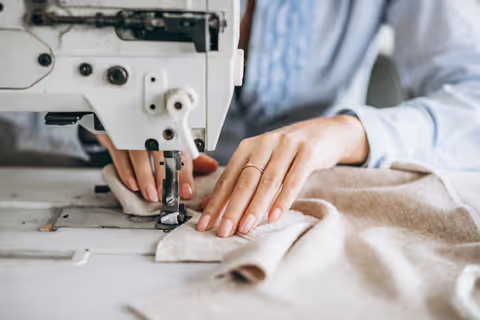
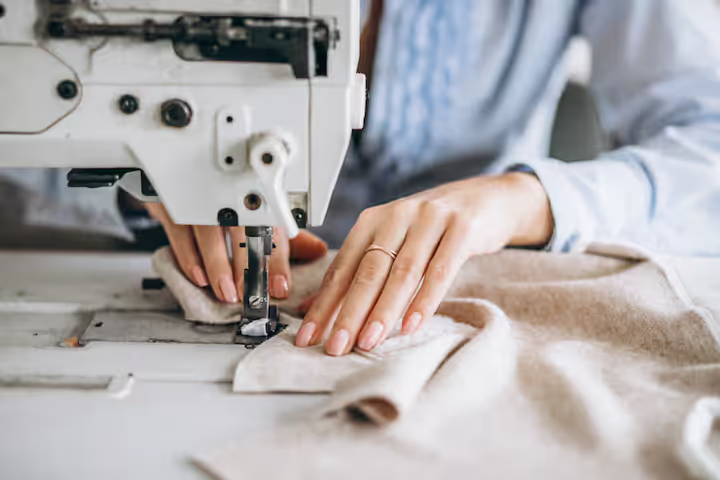
Sewing connects the cut fabric components to create the garment. Industrial sewing machines perform operations such as straight stitching, overlocking, cover stitching, buttonhole formation, and button attachment.
Production lines often divide a garment into smaller operations so that workers can specialize in particular tasks. The sequence must be planned carefully to prevent bottlenecks and maintain consistent seam quality. Thread selection, stitch density, needle type, and machine settings vary according to fabric thickness and construction.
5. Finishing and Pressing
After assembly, garments may undergo thread trimming, pressing, labeling, button attachment, folding, and packaging. Some products also require embroidery, screen printing, heat transfer, or other decorative processes.
Finishing improves presentation and prepares garments for inspection and shipment. Temperature and pressure settings must be appropriate for the fabric to avoid scorching, shine marks, shrinkage, or damage to surface treatments.
6. Quality Inspection and Packaging
The final stage checks garment measurements, stitching, appearance, labels, accessories, and workmanship against approved specifications. Depending on the product, inspection may include seam-strength testing, dimensional stability checks, colorfastness testing, or verification of protective performance.
After inspection, accepted garments are packed according to the required size, style, and shipment identification system. Clear labeling and batch records also help with inventory management and traceability.
Essential Machinery Used in Industrial Garment Production
Industrial garment machinery supports the cutting, sewing, finishing, and handling stages of production. Selecting equipment depends on the garment type, expected production volume, fabric properties, operator skills, and maintenance requirements.
Industrial Sewing Machines
Industrial sewing machines are the main equipment used for garment assembly. Lockstitch machines are common for general seams, while overlock machines finish fabric edges and help prevent fraying. Coverstitch machines are widely used for hems on knitted garments, and specialized machines perform buttonholes, button attachment, and other repetitive tasks.
Automatic Fabric Cutting Machines
Automatic fabric cutting systems use digital pattern data to cut fabric components accurately. They can reduce manual handling and support consistent cutting layouts. Their effectiveness depends on the cutting technology, material compatibility, software integration, and production planning.
Embroidery and Printing Equipment
Embroidery machines create decorative designs, logos, and lettering. Garment printing equipment applies designs using suitable printing methods, depending on the fabric and required finish. These systems are used in uniforms, branded apparel, sportswear, and other clothing categories.
Steam Pressing and Finishing Equipment
Steam irons, vacuum ironing tables, pressing stations, and specialized finishing machines help garments achieve the required shape and appearance. Equipment selection depends on fabric sensitivity, garment construction, and the desired finish.
Production Management Software
Garment manufacturing software helps organize production orders, material consumption, inventory, quality records, and delivery schedules. More advanced systems may integrate with manufacturing execution systems (MES), enterprise resource planning (ERP) software, barcode tracking, and connected machinery.
Materials Used in Industrial Garment Manufacturing
Fabric selection affects garment comfort, durability, appearance, manufacturing efficiency, and maintenance requirements. Manufacturers choose materials based on the intended application and the performance characteristics needed.
Cotton and Polyester-Cotton Fabrics
Cotton is valued for its softness and breathability, making it suitable for many everyday garments and uniforms. Polyester-cotton blends combine properties of both fibers and are widely used where durability, shape retention, and ease of care are important.
Polyester and Synthetic Fabrics
Polyester fabrics are used in sportswear, uniforms, jackets, and various technical applications. Their performance varies according to fiber construction, fabric structure, finishing treatments, and blend composition.
Stretch and Technical Materials
Elastane blends and specialized knitted fabrics provide flexibility for activewear and fitted garments. Technical textiles may include materials engineered for particular requirements, such as abrasion resistance, high visibility, or thermal performance.
The correct material should be selected after considering its intended use, care instructions, applicable standards, and compatibility with the manufacturing process.
Benefits of Modern Industrial Garment Manufacturing
Industrial garment manufacturing supports consistent production, repeatable quality, and organized material handling. Its effectiveness depends on how well equipment, workers, production planning, and quality management operate together.
Improved Production Efficiency
Standardized workflows help manufacturers identify bottlenecks, reduce unnecessary movement, and coordinate work between cutting, sewing, and finishing departments. Automated systems can also perform repetitive tasks with consistent settings, allowing skilled workers to focus on operations requiring judgment and fabric-handling experience.
Consistent Garment Quality
Standard operating procedures, machine calibration, fabric inspection, and in-process quality checks help reduce variation between garments. Digital measurement records and batch tracking can further support consistent production across different orders.
Better Fabric Utilization
Fabric is often a significant component of garment production. Computerized pattern nesting, careful marker planning, and accurate cutting can reduce avoidable material waste. Effective inventory control also helps prevent fabric shortages and excess stock.
Improved Production Planning
Garment production management software can help supervisors monitor order progress, machine utilization, material availability, and production schedules. When information is accurate and updated regularly, managers can identify delays earlier and coordinate resources more effectively.
Industrial Garment Manufacturing Trends in 2026
The garment industry is increasingly exploring automation, connected machinery, artificial intelligence, and resource-efficient manufacturing. Adoption varies according to factory size, investment priorities, workforce capabilities, and the complexity of the products being manufactured.
Automation and Smart Garment Factories
Modern facilities are introducing automated fabric handling, computerized cutting, machine monitoring, and specialized sewing systems. These technologies can reduce repetitive manual tasks and provide more detailed production information. However, sewing flexible fabrics remains challenging to automate completely because materials can stretch, wrinkle, and shift during handling.
Artificial Intelligence and Data Analytics
Artificial intelligence can support production forecasting, defect detection, maintenance planning, and inventory analysis. For example, production data may help identify recurring machine stoppages or operations where defects occur frequently. Effective implementation requires reliable data, appropriate software integration, and human oversight.
Sustainable Garment Production
Manufacturers are examining ways to reduce fabric waste, improve energy efficiency, manage water consumption, and use recycled fibers where technically suitable. Digital material tracking and more efficient cutting layouts can support these efforts. Sustainability results depend on the complete production process, material sourcing, product durability, and end-of-life management.
Digital Integration and Traceability
Connected machinery and digital production records can help factories track orders, materials, quality results, and equipment performance. Integrated systems can improve visibility across departments, although implementation may require staff training, cybersecurity controls, and investment in compatible equipment.
Challenges in Industrial Garment Manufacturing
Despite advances in machinery and production software, garment factories face several operational challenges. Fabric properties vary, customer specifications can change, and production schedules must accommodate multiple styles, sizes, and material requirements.
Labor training is another important consideration. Workers need suitable skills to operate machines, identify defects, maintain consistent stitching, and follow safety procedures. Equipment downtime, spare-part availability, fabric shortages, and inaccurate production planning can also affect output.
Manufacturers can address these issues through preventive maintenance, operator training, supplier coordination, clear quality standards, and regular analysis of production performance. Factory ventilation, ergonomic workstations, safe electrical installations, and appropriate machine guarding are also important elements of responsible manufacturing.
Quality Standards and Workplace Safety
Quality management in industrial garment manufacturing involves more than checking the appearance of finished clothing. Depending on the product, manufacturers may need to evaluate dimensions, seam strength, shrinkage, colorfastness, fabric composition, and performance after washing.
Specialized protective garments may be subject to additional product-specific standards and certification requirements. These requirements should be identified before production begins, and testing should be performed using suitable methods.
Workplace safety is equally important. Factories should provide appropriate machine guards, electrical safeguards, safe material-handling procedures, adequate lighting, and suitable ventilation. Workers should receive training for the equipment and processes they use, with particular attention to cutting equipment, needles, pressing machinery, and other potential hazards.
Frequently Asked Questions About Industrial Garments
What is an industrial garment?
An industrial garment is clothing manufactured for workplace, institutional, commercial, or specialized applications. Examples include uniforms, workwear, coveralls, healthcare apparel, and certain types of protective clothing.
Which machines are commonly used in garment manufacturing?
Common equipment includes industrial lockstitch sewing machines, overlock machines, coverstitch machines, fabric cutting machines, embroidery machines, pressing equipment, and computerized production systems.
What is the difference between garment manufacturing and textile manufacturing?
Textile manufacturing focuses on producing fibers, yarns, fabrics, and related textile materials. Garment manufacturing uses fabrics and other components to produce finished clothing through pattern making, cutting, sewing, and finishing.
How does automation help garment factories?
Automation can improve repeatability, support material handling, monitor equipment performance, and reduce manual work in selected operations. Results depend on the machinery, fabric type, production volume, and factory workflow.
What factors influence garment quality?
Garment quality depends on fabric properties, pattern accuracy, cutting precision, stitching consistency, construction methods, finishing, and inspection procedures. Clear specifications and in-process checks help maintain consistent results.
Why is production management software important?
Production management software helps organize orders, inventory, machine performance, quality information, and production schedules. Integrated systems can improve visibility and help managers respond to operational delays.
Conclusion
Industrial garment manufacturing combines fabric technology, specialized machinery, skilled labor, production planning, and quality control to transform raw materials into finished clothing. Its applications range from everyday apparel and institutional uniforms to technical workwear and specialized protective garments.
As the industry evolves, automation, digital production management, artificial intelligence, and resource-efficient manufacturing are creating new ways to organize factory operations. Manufacturers that understand their product requirements, maintain equipment properly, train workers, and apply consistent quality standards are better positioned to manage production complexity.
Understanding these processes provides a useful foundation for learning about industrial garment machinery, apparel production systems, textile materials, and the broader manufacturing industry.