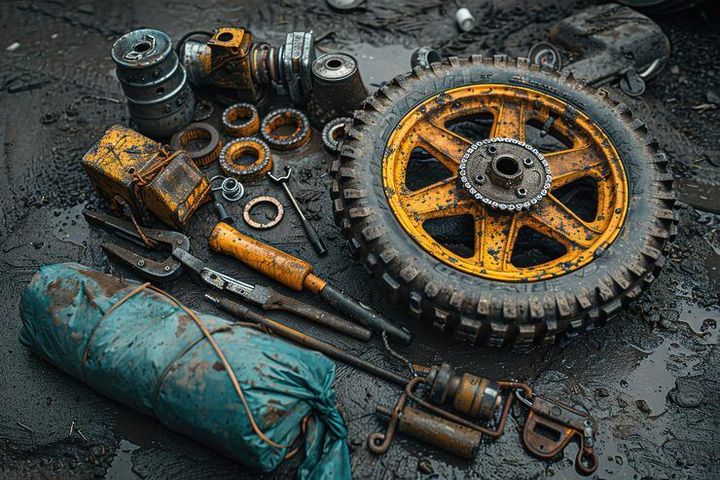
Heavy equipment spare parts are replacement components used to restore or maintain the performance, safety, and reliability of machinery. Choosing the right parts involves more than comparing prices. Equipment compatibility, component quality, operating conditions, maintenance requirements, warranty terms, and total ownership costs can all influence a purchasing decision.
What Are Heavy Equipment Spare Parts?
Heavy equipment spare parts are components manufactured or supplied to replace damaged, worn, or malfunctioning parts of construction and industrial machinery.
These components can range from relatively small filters and seals to major assemblies such as hydraulic pumps, transmissions, engines, and undercarriage systems.
Common examples include:
-
Hydraulic pumps
-
Hydraulic cylinders
-
Engine components
-
Transmission parts
-
Fuel system components
-
Air and oil filters
-
Brake components
-
Bearings and bushings
-
Seals and gaskets
-
Electrical components
-
Hydraulic hoses
-
Undercarriage parts
-
Cutting edges
-
Bucket teeth
-
Track chains
-
Sprockets
-
Rollers
-
Idlers
The appropriate replacement part depends on the machine model, manufacturer specifications, component number, and operating environment.
Why Heavy Equipment Spare Parts Matter
Equipment downtime can affect productivity and operating costs. A machine that remains unavailable because of a failed component may delay construction schedules, mining activities, agricultural operations, or industrial projects.
Proper spare parts management can help businesses:
-
Maintain equipment availability
-
Reduce unexpected downtime
-
Support preventive maintenance
-
Improve machine reliability
-
Extend equipment service life
-
Manage maintenance budgets
-
Improve workplace safety
-
Plan repairs more efficiently
For companies managing expensive machinery, equipment maintenance costs can represent a significant part of overall operating expenses. A structured maintenance strategy can therefore be important for long-term asset management.
Major Types of Heavy Equipment Spare Parts
Different machines require different replacement components. Understanding the major categories can make maintenance planning easier.
Engine Spare Parts
The engine is one of the most important systems in heavy machinery. Engine-related replacement parts may include:
-
Pistons
-
Piston rings
-
Cylinder liners
-
Bearings
-
Gaskets
-
Fuel injectors
-
Turbocharger components
-
Water pumps
-
Oil pumps
-
Belts
-
Valves
Regular inspection and proper lubrication can help identify potential engine problems before they result in major repairs.
Hydraulic System Components
Hydraulic systems are widely used in excavators, loaders, cranes, and other heavy machinery.
Important hydraulic components include:
-
Hydraulic pumps
-
Hydraulic motors
-
Hydraulic valves
-
Hydraulic cylinders
-
Hydraulic hoses
-
Hydraulic filters
-
Seals
-
Fittings
-
Hydraulic accumulators
Hydraulic component failure can reduce lifting capacity, movement, operating speed, or overall machine performance.
Undercarriage Parts
Tracked equipment operates in environments where the undercarriage is exposed to significant mechanical stress.
Common undercarriage components include:
-
Track chains
-
Track shoes
-
Rollers
-
Idlers
-
Sprockets
-
Bushings
-
Pins
Because undercarriage components can represent a substantial maintenance expense, regular inspection and correct machine operation are important for controlling wear.
Electrical and Electronic Parts
Modern heavy equipment increasingly uses electronic control systems and sensors.
Replacement components can include:
-
Batteries
-
Alternators
-
Starters
-
Sensors
-
Relays
-
Wiring harnesses
-
Control modules
-
Switches
-
Displays
Proper diagnosis is particularly important with electronic components because replacing a part without identifying the underlying fault may increase repair costs.
OEM, Aftermarket, and Used Spare Parts
One of the most important decisions when purchasing replacement components is selecting the appropriate parts source.
OEM Spare Parts
OEM stands for Original Equipment Manufacturer. OEM parts are produced by the equipment manufacturer or according to the manufacturer's specifications.
Potential advantages include:
-
Designed for specific equipment
-
Known compatibility
-
Manufacturer support
-
Established quality specifications
-
Access to technical documentation
OEM parts may have a higher purchase price, so businesses often compare the initial price with expected service life and maintenance requirements.
Aftermarket Spare Parts
Aftermarket components are manufactured by companies other than the original equipment manufacturer.
Depending on the manufacturer, aftermarket parts can offer:
-
Wider availability
-
Competitive pricing
-
Multiple product options
-
Compatibility with specific equipment models
Quality can vary between suppliers, so buyers should evaluate specifications, manufacturing standards, warranty coverage, and supplier reputation.
Used or Reconditioned Parts
Used and reconditioned components may be considered for certain equipment repairs when appropriate.
A reconditioned component has generally been inspected and restored to a usable condition. Before purchasing, buyers should understand the component's previous usage, inspection process, warranty, and expected service life.
How to Choose the Right Spare Part
Selecting a replacement component requires accurate equipment information.
Check the Equipment Model
Start by identifying the machine's:
-
Manufacturer
-
Model number
-
Serial number
-
Production year
-
Engine model
-
Component number
This information helps reduce the risk of ordering an incompatible part.
Verify the Part Number
A part number is often one of the most reliable ways to identify a replacement component. Buyers should compare the number with manufacturer documentation or verified equipment records.
Compare Technical Specifications
Specifications may include:
-
Dimensions
-
Material
-
Pressure rating
-
Load capacity
-
Operating temperature
-
Flow rate
-
Voltage
-
Compatibility requirements
Technical specifications are generally more useful than appearance alone when evaluating replacement components.
Consider Total Cost of Ownership
The cheapest component is not always the least expensive option over its entire service life.
Total cost of ownership can include:
-
Purchase price
-
Shipping
-
Installation
-
Labor
-
Maintenance
-
Downtime
-
Replacement frequency
-
Warranty coverage
For critical machinery, a component with a higher upfront cost may sometimes provide better long-term value if it has suitable durability and reliability.
Spare Parts and Preventive Maintenance
Preventive maintenance involves inspecting and servicing machinery according to defined schedules rather than waiting for a component to fail.
A maintenance program may include:
-
Regular equipment inspections
-
Lubrication checks
-
Filter replacement
-
Hydraulic system inspections
-
Fluid analysis
-
Undercarriage measurements
-
Electrical system testing
-
Component replacement based on wear
-
Maintenance record keeping
Preventive maintenance can help businesses identify developing problems and plan repairs during scheduled downtime.
Managing Heavy Equipment Spare Parts Inventory
Maintaining an appropriate spare parts inventory can help reduce delays when equipment requires repair.
However, storing too many components can tie up capital and increase inventory management costs.
An effective inventory strategy can classify parts according to factors such as:
-
Failure frequency
-
Equipment criticality
-
Lead time
-
Part cost
-
Availability
-
Storage requirements
-
Historical consumption
Critical components with long procurement lead times may deserve greater attention than inexpensive parts that are readily available.
The Role of Digital Equipment Management
Technology has changed how many businesses manage heavy machinery.
Modern fleet management software and equipment monitoring systems can provide information about machine utilization, maintenance schedules, operating hours, and potential service requirements.
Some systems can help organizations:
-
Track maintenance history
-
Schedule inspections
-
Monitor equipment hours
-
Manage service reminders
-
Record replacement parts
-
Analyze maintenance expenses
-
Improve fleet utilization
Data-driven maintenance planning can help organizations make better decisions about repair timing and equipment replacement.
Common Factors That Cause Spare Part Failure
Replacement parts can fail for many reasons. Understanding the cause of failure is important because simply replacing the damaged component may not solve the underlying problem.
Common causes include:
Excessive Wear
Continuous operation under heavy loads can gradually wear mechanical components.
Poor Lubrication
Insufficient or incorrect lubrication can increase friction and component temperatures.
Contamination
Dust, dirt, water, and other contaminants can damage hydraulic, fuel, lubrication, and filtration systems.
Incorrect Installation
Improper installation can cause premature wear, leakage, vibration, or mechanical failure.
Overloading
Operating equipment beyond its recommended limits can place excessive stress on components.
Inadequate Maintenance
Skipped inspections and delayed servicing can allow minor issues to develop into larger mechanical problems.
How to Reduce Spare Parts Costs
Businesses can take several practical steps to manage maintenance expenses.
Follow Manufacturer Maintenance Recommendations
Maintenance schedules provide useful guidance about inspections, fluids, filters, and replacement intervals.
Monitor Component Wear
Measuring component condition can help maintenance teams determine when replacement is actually necessary.
Maintain Accurate Records
Keeping records of:
-
Part replacements
-
Repair dates
-
Machine hours
-
Failure causes
-
Maintenance costs
can help identify recurring problems.
Compare Qualified Suppliers
Businesses can evaluate suppliers based on product quality, technical support, delivery times, warranty terms, and pricing rather than using purchase price as the only factor.
Keep Critical Parts Available
Maintaining selected high-priority components can reduce the impact of unexpected equipment failures.
Safety Considerations When Replacing Spare Parts
Heavy equipment repairs can involve hydraulic pressure, electrical systems, heavy components, and stored mechanical energy. Maintenance work should therefore be performed by appropriately trained personnel following the equipment manufacturer's safety procedures.
Before servicing machinery, organizations should consider applicable procedures for:
-
Equipment shutdown
-
Isolation of energy sources
-
Hydraulic pressure release
-
Electrical safety
-
Lifting and handling
-
Personal protective equipment
-
Manufacturer service instructions
Safety requirements can vary by equipment type and workplace, so professional maintenance procedures should always take precedence.
Future Trends in Heavy Equipment Spare Parts
The heavy equipment maintenance sector is increasingly influenced by digital technologies and data-driven maintenance.
Potentially important trends include:
Predictive Maintenance
Sensors and machine data can help identify abnormal operating conditions before certain failures occur.
Connected Equipment
Connected machinery can transmit operational information to fleet management and maintenance systems.
Digital Parts Catalogs
Electronic parts catalogs can make it easier to identify components using equipment models, serial numbers, diagrams, and part numbers.
Improved Component Design
Manufacturers continue to develop components intended to improve durability, efficiency, and operating performance.
Sustainable Maintenance
Repairing, rebuilding, remanufacturing, and responsibly recycling components can contribute to more efficient use of materials and equipment resources.
Frequently Asked Questions About Heavy Equipment Spare Parts
What are the most common heavy equipment spare parts?
Common replacement components include filters, hydraulic hoses, seals, bearings, engine components, hydraulic pumps, undercarriage parts, electrical components, and cutting or wear parts.
How do I identify the correct spare part?
Start with the equipment manufacturer, model, serial number, and existing component or part number. Manufacturer documentation or a qualified parts specialist can help confirm compatibility.
Are aftermarket spare parts reliable?
Aftermarket quality varies between manufacturers and suppliers. Buyers should evaluate technical specifications, compatibility, quality standards, warranty conditions, and supplier reputation.
Are OEM parts always better?
OEM parts offer known compatibility and manufacturer specifications, but the most appropriate choice depends on the application, equipment requirements, budget, warranty considerations, and expected service life.
How can I reduce equipment maintenance costs?
Regular preventive maintenance, accurate diagnostics, appropriate spare parts, operator training, inventory planning, and maintenance record keeping can help control long-term costs.
Conclusion
Heavy equipment spare parts are an essential component of machinery maintenance and asset management. Selecting suitable replacement components requires attention to equipment specifications, part compatibility, quality, operating conditions, warranty terms, and total cost of ownership.
A well-organized maintenance program can also help businesses plan repairs, manage spare parts inventory, reduce avoidable downtime, and maintain equipment reliability. As heavy machinery becomes increasingly connected and data-driven, digital maintenance systems and predictive approaches are likely to play a larger role in equipment management.
For businesses operating construction, mining, agricultural, or industrial machinery, combining preventive maintenance, accurate diagnostics, quality spare parts, and responsible cost management can support more reliable equipment operations over the long term.