Telehealth & Remote Patient Monitoring Software: Complete Guide to Digital Healthcare
Healthcare technology has evolved significantly over the past decade. Among the most important developments are telehealth and remote patient monitoring software, which allow healthcare providers to connect with patients outside traditional clinical settings. These technologies support communication, monitoring, and healthcare management through digital platforms.
As healthcare systems continue to adopt digital transformation strategies, telehealth and remote patient monitoring solutions have become increasingly important in improving accessibility, efficiency, and continuity of care.
Understanding Telehealth & Remote Patient Monitoring Software
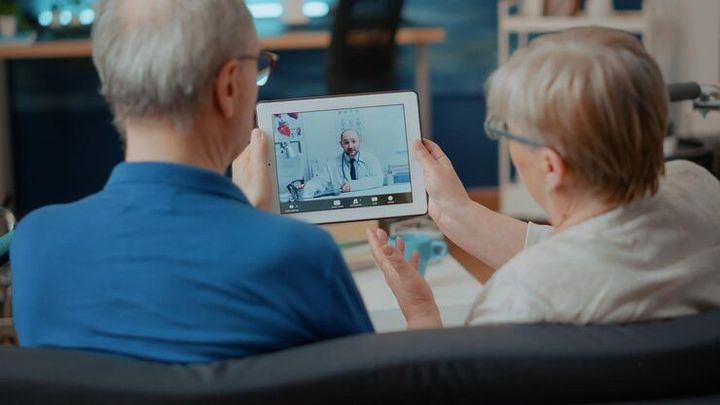
Telehealth refers to the use of digital communication technologies to facilitate healthcare interactions between patients and healthcare professionals. These interactions may include virtual consultations, follow-up appointments, health education, and clinical assessments.
Remote Patient Monitoring (RPM) software is a specialized healthcare technology that collects and transmits patient health data from home or other remote locations to healthcare providers. The software often works with connected devices that measure health indicators such as blood pressure, heart rate, oxygen levels, blood glucose levels, and body temperature.
The primary purpose of these technologies is to support healthcare delivery beyond physical healthcare facilities.
Key Components of Telehealth and RPM Systems
Modern telehealth and patient monitoring platforms typically include:
- Video consultation capabilities
- Secure messaging systems
- Electronic health record integration
- Patient portals
- Appointment scheduling tools
- Health data dashboards
- Wearable device connectivity
- Healthcare analytics features
- Reporting and documentation tools
The combination of these components creates a comprehensive digital healthcare ecosystem that supports both patients and healthcare professionals.
How the Technology Works
The following table summarizes the basic workflow of telehealth and remote monitoring software.
| Step | Process |
|---|---|
| Data Collection | Patient devices collect health information |
| Data Transmission | Information is securely transmitted to software platforms |
| Data Analysis | Software processes and organizes health data |
| Provider Review | Healthcare professionals review patient information |
| Communication | Virtual consultations or alerts occur when needed |
| Follow-Up | Ongoing monitoring and care coordination continue |
This workflow helps maintain continuous patient engagement while enabling timely healthcare interventions.
Why Telehealth and Remote Patient Monitoring Matter Today
Healthcare systems worldwide face challenges related to aging populations, chronic disease management, geographic barriers, and resource limitations. Telehealth software and patient monitoring systems help address several of these challenges.
Patients living in rural or underserved areas often experience limited access to healthcare facilities. Virtual healthcare platforms can help reduce travel requirements while maintaining communication with healthcare professionals.
For individuals managing chronic conditions such as diabetes, hypertension, or cardiovascular diseases, continuous monitoring provides valuable health insights between clinic visits.
Healthcare providers also benefit from improved visibility into patient health trends, enabling more informed decision-making.
Major Benefits Across Healthcare
The growing adoption of healthcare technology solutions has highlighted several important advantages:
- Improved healthcare accessibility
- Enhanced patient engagement
- Better continuity of care
- Increased convenience for patients
- More efficient clinical workflows
- Early identification of potential health concerns
- Data-driven healthcare management
- Support for preventive healthcare strategies
These benefits contribute to a more connected healthcare environment where information can be shared and reviewed more efficiently.
Impact on Different Groups
The influence of telehealth and patient monitoring software extends across multiple stakeholders.
| Stakeholder | Potential Benefits |
|---|---|
| Patients | Convenient healthcare access and ongoing monitoring |
| Healthcare Providers | Improved patient oversight and communication |
| Hospitals | Better resource allocation and operational efficiency |
| Caregivers | Greater visibility into patient health status |
| Public Health Organizations | Enhanced population health monitoring |
The broad applicability of these digital health solutions explains their increasing adoption worldwide.
Recent Updates and Trends in 2025–2026
The digital healthcare sector has experienced rapid innovation during the past year.
Artificial Intelligence Integration
Throughout 2025 and early 2026, many healthcare technology platforms expanded the use of artificial intelligence for data analysis, symptom tracking, predictive healthcare analytics, and automated patient engagement.
AI-powered healthcare analytics tools are increasingly being used to identify patterns in patient data and assist healthcare professionals in reviewing large volumes of information.
Growth of Wearable Health Technology
Wearable devices continue to gain popularity. Smartwatches, fitness trackers, and connected medical devices now provide more advanced health monitoring capabilities than previous generations.
Healthcare organizations are exploring ways to integrate wearable-generated data into electronic health records and telehealth platforms.
Expansion of Hybrid Care Models
Many healthcare systems have adopted hybrid care approaches that combine in-person appointments with virtual healthcare interactions. This model provides flexibility while maintaining access to physical examinations when necessary.
Enhanced Cybersecurity Measures
Because telehealth systems manage sensitive healthcare information, software providers have increased investments in cybersecurity frameworks, encryption technologies, and identity verification systems throughout 2025 and 2026.
Increased Interoperability Efforts
Healthcare technology vendors have focused on improving interoperability, allowing different software platforms and healthcare information systems to exchange data more effectively.
The trend toward standardized healthcare data sharing is expected to continue over the coming years.
Regulatory and Policy Considerations
Telehealth and remote patient monitoring software operate within a highly regulated environment.
Healthcare regulations vary by country, but most jurisdictions emphasize patient privacy, data protection, clinical safety, and secure information management.
Data Privacy Requirements
Healthcare organizations must generally comply with regulations governing patient information.
Common policy objectives include:
- Protecting patient confidentiality
- Securing electronic health records
- Limiting unauthorized access
- Ensuring secure data transmission
- Maintaining audit trails
Healthcare Licensing Rules
Healthcare professionals providing telehealth services must typically follow licensing requirements established by regulatory authorities.
These rules help ensure that healthcare services meet professional and ethical standards.
Government Digital Health Programs
Many governments continue investing in digital health infrastructure.
Recent initiatives in various countries focus on:
- Expanding digital healthcare access
- Supporting healthcare interoperability
- Promoting electronic health records adoption
- Encouraging remote healthcare capabilities
- Strengthening healthcare cybersecurity
Such programs contribute to broader healthcare modernization efforts.
Compliance and Security Considerations
Healthcare software platforms commonly implement:
| Compliance Area | Purpose |
|---|---|
| Data Encryption | Protect healthcare information |
| Access Controls | Restrict unauthorized access |
| Audit Logging | Track system activities |
| Multi-Factor Authentication | Strengthen user security |
| Data Backup Systems | Support business continuity |
These measures help maintain trust in digital healthcare environments.
Useful Tools and Resources
A variety of tools support telehealth and remote patient monitoring ecosystems.
Video Communication Platforms
Healthcare-focused video communication platforms enable virtual consultations, follow-up visits, and patient-provider interactions.
Features often include:
- Secure video conferencing
- Appointment management
- Digital documentation
- Patient communication tools
Remote Monitoring Dashboards
Patient monitoring dashboards help healthcare professionals review incoming health data from multiple patients through centralized interfaces.
Common dashboard functions include:
- Trend analysis
- Alert notifications
- Device connectivity management
- Reporting tools
Healthcare Analytics Platforms
Healthcare analytics solutions transform patient data into actionable insights.
These tools may provide:
- Predictive analytics
- Population health reporting
- Clinical performance metrics
- Risk assessment support
Electronic Health Record Integration Tools
Integration solutions allow telehealth software to connect with electronic health records and other healthcare information systems.
Benefits include:
- Improved data consistency
- Reduced duplication
- Better workflow efficiency
- Enhanced healthcare coordination
Educational Resources
Healthcare professionals and students can explore:
- Government digital health portals
- Academic healthcare technology publications
- Healthcare informatics associations
- Medical technology research databases
- Digital health training programs
These resources support ongoing learning in a rapidly evolving field.
Telehealth Adoption Trend (Illustrative Overview)
Healthcare Technology Adoption

2019  ████
2020  ██████████
2021  █████████████
2022  ███████████████
2023  █████████████████
2024  ███████████████████
2025  █████████████████████
2026  ██████████████████████
This simplified illustration reflects the continuing growth of telehealth and digital healthcare technologies globally.
Frequently Asked Questions
What is the difference between telehealth and remote patient monitoring?
Telehealth broadly refers to digital healthcare interactions, including virtual consultations and communication. Remote patient monitoring specifically involves collecting and transmitting patient health data through connected devices for ongoing observation.
Is telehealth only used for chronic disease management?
No. Telehealth can support many healthcare activities, including primary care consultations, mental health services, specialist appointments, follow-up visits, preventive care discussions, and patient education.
Are telehealth platforms secure?
Most healthcare technology platforms implement encryption, authentication controls, and cybersecurity measures designed to protect healthcare information. Security requirements vary depending on regional regulations and platform design.
Can wearable devices be connected to remote monitoring software?
Many modern patient monitoring systems integrate with wearable devices that track health metrics such as heart rate, activity levels, sleep patterns, blood oxygen levels, and other physiological indicators.
Why is interoperability important in digital healthcare?
Interoperability allows different healthcare systems and software platforms to exchange information efficiently. This improves coordination, reduces duplication of records, and supports more comprehensive healthcare management.
Conclusion
Telehealth and remote patient monitoring software have become essential components of modern healthcare technology. These digital health solutions support communication, data collection, patient engagement, and healthcare management beyond traditional clinical environments.
Recent developments in artificial intelligence, wearable technology, interoperability, and cybersecurity continue to shape the future of virtual healthcare platforms. At the same time, regulatory frameworks and privacy requirements remain critical to ensuring safe and responsible use of healthcare technology.
As healthcare systems continue evolving, telehealth and remote patient monitoring software are likely to play an increasingly important role in improving accessibility, supporting preventive healthcare strategies, and enabling more connected patient care experiences.