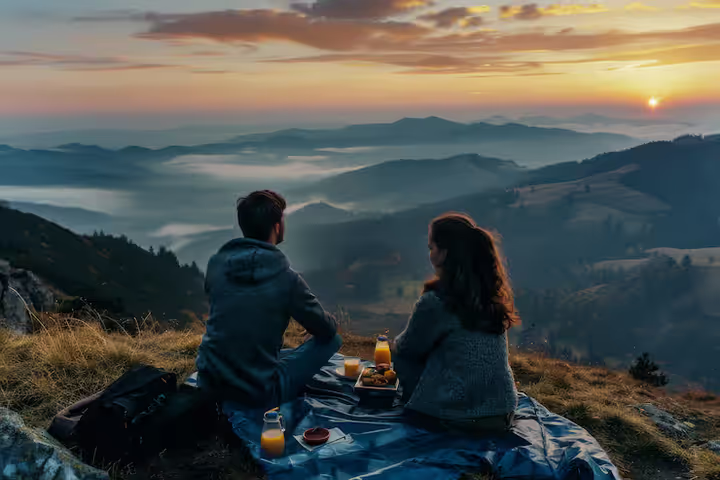
Mountain Resorts for Couples: Privacy, Scenic Views, and Relaxation Explained
Mountain resorts for couples have become a popular accommodation choice for travelers seeking peaceful surroundings, natural beauty, and quality time away from busy urban environments. Located in hills, mountains, forests, and elevated landscapes, these resorts often focus on creating a calm atmosphere where visitors can enjoy nature, outdoor activities, and comfortable accommodations.
The appeal of mountain destinations has existed for decades. People have traditionally traveled to mountainous regions to escape crowded cities, experience cooler climates, and enjoy scenic landscapes. Over time, tourism infrastructure evolved, and specialized resorts began catering to couples looking for quiet environments and memorable travel experiences.
Today, mountain resorts can be found in many regions around the world, from the Alps in Europe and the Rockies in North America to the Himalayas in Asia. Their popularity continues to grow as more travelers prioritize wellness, nature-based tourism, and meaningful travel experiences.
Understanding Mountain Resorts for Couples
Mountain resorts designed for couples generally focus on three primary elements:
- Privacy and personal space
- Scenic mountain views
- Relaxation-focused experiences
These properties may include private cottages, cabins, hillside villas, viewing decks, wellness facilities, walking trails, and outdoor recreation opportunities.
Common Features Found in Mountain Resorts
| Feature | Purpose |
|---|---|
| Private Accommodation | Provides a quiet environment for couples |
| Mountain Views | Enhances the travel experience through natural scenery |
| Wellness Facilities | Supports relaxation and stress reduction |
| Nature Trails | Encourages outdoor exploration |
| Dining Areas with Views | Combines scenery with dining experiences |
| Outdoor Seating Spaces | Allows guests to enjoy the surrounding landscape |
Why Mountain Resorts Matter Today
Modern lifestyles often involve long working hours, digital connectivity, traffic congestion, and constant exposure to information. As a result, many individuals seek opportunities to disconnect and spend time in natural environments.
Mountain resorts address several travel-related needs:
- Temporary escape from urban stress
- Access to natural landscapes
- Opportunities for outdoor recreation
- Quiet environments for conversation and relaxation
- Reduced exposure to crowded tourist locations
Couples are among the primary groups interested in these destinations because mountain environments often support uninterrupted time together.
Who Benefits from Mountain Resort Experiences?
Different types of travelers may find mountain resorts appealing:
- Married couples seeking leisure travel
- Newlyweds planning a romantic vacation
- Long-term partners interested in nature tourism
- Outdoor enthusiasts
- Wellness-focused travelers
- Remote workers seeking temporary retreats
The growing interest in sustainable tourism and wellness travel has further increased attention toward mountain destinations.
Problems These Resorts Help Address
Many travelers choose mountain locations because they help solve common vacation challenges.
| Common Travel Challenge | Mountain Resort Advantage |
|---|---|
| Overcrowded destinations | Often located in less congested areas |
| Noise pollution | Generally quieter surroundings |
| Limited access to nature | Direct connection with landscapes |
| Stress and burnout | Relaxing atmosphere |
| Lack of privacy | Private accommodation options |
Travel Preferences and Relaxation Factors
The following chart illustrates common reasons couples choose mountain resorts:
Relaxation & Wellness      ██████████████
Scenic Views              █████████████
Privacy                   ████████████
Nature Activities         ██████████
Photography Opportunities █████████
Cool Climate              ████████
The chart demonstrates that relaxation, scenery, and privacy remain among the most frequently cited motivations for mountain travel.
Recent Trends and Developments
The mountain resort sector has experienced several notable developments during 2025 and early 2026.
Growth of Wellness Tourism
Industry reports throughout 2025 highlighted continued growth in wellness-focused travel. Many mountain resorts expanded offerings such as:
- Meditation sessions
- Nature immersion activities
- Guided hiking experiences
- Spa and wellness programs
- Digital detox environments
Travelers increasingly prioritize experiences that support mental well-being and personal relaxation.
Sustainable Tourism Initiatives
Throughout 2025, many tourism authorities encouraged environmentally responsible tourism practices in mountain regions.
Examples include:
- Reduced plastic usage
- Energy-efficient accommodations
- Water conservation programs
- Responsible waste management
- Support for local communities
These initiatives aim to protect fragile mountain ecosystems while supporting tourism development.
Remote Work and Extended Stays
Another trend observed during 2025 was the increase in extended stays. Improvements in internet infrastructure in some mountain destinations allowed travelers to combine work and leisure experiences.
This trend contributed to longer average stays compared to traditional weekend visits.
Interest in Nature-Based Experiences
Travel data from late 2025 indicated continued demand for outdoor-focused tourism. Hiking, wildlife observation, stargazing, and scenic exploration remain important components of mountain travel.
Regulations and Government Policies Affecting Mountain Resorts
Mountain tourism is influenced by various regulations designed to protect natural environments and ensure visitor safety.
Environmental Protection Regulations
Many countries enforce environmental rules covering:
- Forest conservation
- Wildlife protection
- Water resource management
- Construction restrictions in sensitive regions
These regulations help maintain ecological balance and reduce environmental impact.
Tourism Registration Requirements
Resorts often must comply with tourism-related requirements such as:
- Business registration
- Safety inspections
- Accommodation standards
- Visitor reporting requirements
Regulatory frameworks vary by country and region.
Protected Area Rules
Some mountain resorts operate near national parks, protected forests, or conservation zones. Visitors may encounter regulations related to:
- Trail access
- Wildlife interaction
- Camping restrictions
- Waste disposal requirements
Following these rules helps preserve natural habitats.
Safety and Emergency Standards
Mountain environments present unique safety considerations. Tourism authorities often require resorts to maintain:
- Emergency response plans
- Fire safety systems
- First-aid resources
- Weather monitoring procedures
These measures support safer travel experiences.
Government Tourism Development Programs
Many governments continue investing in tourism infrastructure through:
- Road improvements
- Visitor information systems
- Environmental conservation initiatives
- Community tourism development
Such programs contribute to accessibility and sustainable growth in mountain destinations.
Helpful Tools and Resources for Planning
Technology has simplified travel planning and destination research.
Mapping and Navigation Tools
Useful mapping resources include:
- GPS navigation applications
- Trail mapping platforms
- Offline map tools
- Regional tourism maps
These resources help travelers understand terrain and nearby attractions.
Weather Monitoring Resources
Mountain weather can change quickly. Helpful tools include:
- Local weather services
- Mountain forecast platforms
- Air quality monitoring tools
- Rainfall prediction resources
Checking conditions before travel supports better planning.
Accommodation Comparison Platforms
Travelers often use:
- Hotel comparison websites
- Accommodation review platforms
- Tourism board directories
- Reservation management applications
These tools assist with destination research and accommodation evaluation.
Travel Budget Calculators
Planning tools may help estimate:
- Transportation expenses
- Accommodation budgets
- Daily travel allowances
- Activity-related expenses
Budget planning contributes to more organized travel preparation.
Photography and Exploration Apps
Many visitors use:
- Trail discovery applications
- Photography location guides
- Wildlife identification apps
- Stargazing resources
These tools enhance outdoor experiences and sightseeing opportunities.
Checklist for Mountain Resort Preparation
Before visiting a mountain destination, travelers often prepare the following:
- Weather-appropriate clothing
- Comfortable walking shoes
- Identification documents
- Portable chargers
- Water bottles
- First-aid supplies
- Navigation resources
- Emergency contact information
Proper preparation can improve comfort and safety during travel.
Frequently Asked Questions
Are mountain resorts suitable throughout the year?
Many mountain resorts operate year-round. Seasonal experiences vary depending on climate, elevation, and regional weather patterns. Some destinations are popular during summer, while others attract visitors during winter months.
Why do couples often choose mountain destinations?
Couples frequently select mountain destinations because of the peaceful environment, scenic landscapes, outdoor activities, and opportunities for uninterrupted time together away from busy urban settings.
Are mountain resorts environmentally regulated?
Yes. In many regions, environmental regulations govern construction, waste management, water usage, and conservation practices to help protect mountain ecosystems.
What activities are commonly available near mountain resorts?
Activities may include hiking, nature walks, sightseeing, wildlife observation, photography, wellness experiences, cultural exploration, and seasonal outdoor recreation.
How important is weather planning for mountain travel?
Weather planning is extremely important because mountain conditions can change rapidly. Reviewing forecasts before and during travel helps visitors prepare appropriately and avoid disruptions.
Conclusion
Mountain resorts for couples continue to attract travelers seeking privacy, scenic beauty, and relaxation in natural settings. Their appeal extends beyond accommodation, offering opportunities to reconnect with nature, enjoy peaceful surroundings, and experience outdoor activities. Recent developments in wellness tourism, sustainability initiatives, and nature-focused travel have strengthened interest in mountain destinations worldwide.
As governments, tourism organizations, and environmental agencies continue supporting responsible tourism practices, mountain resorts are likely to remain an important part of the global travel landscape. By understanding local regulations, monitoring weather conditions, and using modern travel planning tools, couples can make informed decisions and enjoy rewarding mountain travel experiences while respecting the natural environments that make these destinations unique.