Dubai Desert Safari: A Complete Guide to Desert Adventures and Arabian Culture
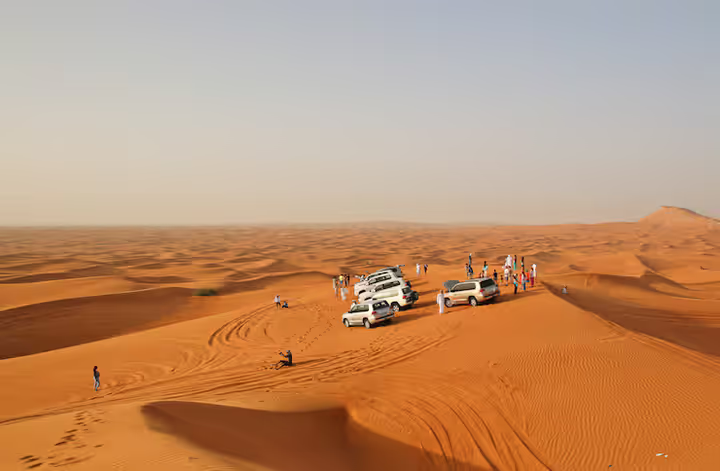
A Dubai desert safari is one of the most distinctive experiences available to visitors exploring the United Arab Emirates. Away from the modern skyline, shopping districts, and luxury hotels of central Dubai, the desert provides an opportunity to experience golden sand dunes, traditional Arabian culture, native wildlife, and outdoor activities. Desert excursions are available in different formats, including morning, evening, overnight, cultural, wildlife, and luxury travel experiences.
The desert surrounding Dubai is more than a landscape of sand. It contains plants, animals, protected ecosystems, cultural traditions, and areas dedicated to conservation. A well-planned safari can therefore combine adventure with an understanding of the natural environment and heritage of the UAE.
Why Dubai Desert Safari Is Popular
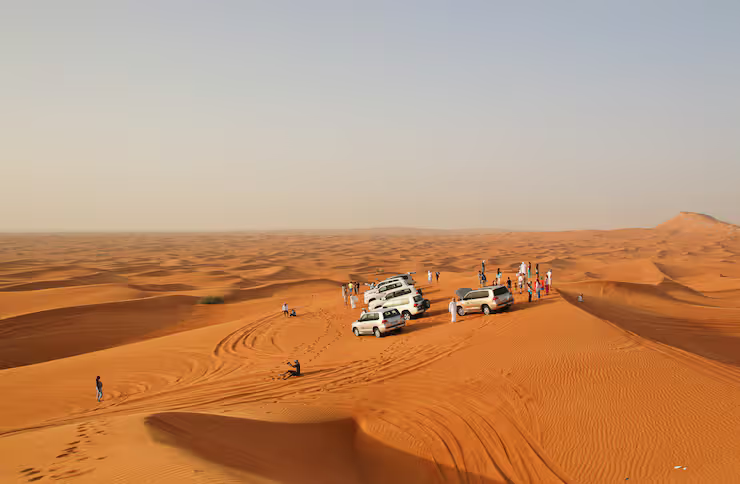
Dubai is internationally known for its modern architecture, luxury tourism, and diverse attractions, but the surrounding desert offers a very different environment. A desert safari allows travelers to move from the urban landscape into open dunes within the same trip.
For many visitors, the appeal comes from experiencing several activities during one excursion. Depending on the itinerary, travelers may encounter dune driving, camel riding, sandboarding, falconry, traditional food, cultural demonstrations, wildlife observation, and sunset photography.
The experience can also complement a wider Dubai vacation plan that includes sightseeing, hotel stays, cultural attractions, shopping districts, and other outdoor activities.
Types of Dubai Desert Safari Experiences
Morning Desert Safari
A morning safari is suitable for travelers who prefer an early start and cooler desert conditions. The experience can provide clear views of the dunes and opportunities for photography before the stronger afternoon heat develops.
Morning excursions may include activities such as dune driving, sandboarding, camel experiences, or nature-focused exploration, depending on the itinerary selected.
Evening Desert Safari
An evening desert safari combines desert exploration with the changing colors of sunset. This type of excursion is particularly popular because visitors can experience the dunes during daylight before watching the sunset and continuing into the evening.
Depending on the program, an evening experience may include dune activities, camel rides, cultural entertainment, traditional refreshments, and dinner at a desert camp.
Overnight Desert Safari
An overnight desert safari provides a longer opportunity to experience the desert after sunset. Instead of returning to the city during the evening, travelers can stay in a desert camp or accommodation designed for the environment.
The nighttime setting can be especially interesting for visitors interested in astronomy, photography, quiet landscapes, and traditional desert culture.
Luxury Desert Safari
Luxury travel in Dubai extends beyond city hotels and resorts. Some desert experiences focus on privacy, premium vehicles, specialized guides, fine dining, wildlife observation, and exclusive camp settings.
Luxury desert tourism can be particularly relevant for travelers who want a quieter itinerary centered on comfort, nature, and cultural experiences rather than large group activities.
Popular Dubai Desert Safari Activities
Dune Driving
Dune driving involves traveling across desert sand in a specially equipped vehicle with an experienced driver. The changing shape and elevation of the dunes create a very different driving environment from normal city roads.
Because desert driving requires specialized knowledge and appropriate vehicles, visitors should use established safari operators and qualified drivers rather than attempting unfamiliar desert routes independently. Dubai's Department of Economy and Tourism operates professional training for safari drivers covering safety, service, operational knowledge, and desert driving skills.
Camel Riding
Camel riding connects modern visitors with an important part of traditional Arabian desert culture. Camels historically played a significant role in transportation and desert life, and camel experiences remain a common element of cultural tourism in Dubai.
A camel ride is generally slower and more relaxed than dune driving, making it suitable for travelers interested in observing the desert landscape at a different pace.
Sandboarding
Sandboarding involves sliding down desert dunes on a board. It is an outdoor recreational activity that can be included in selected safari itineraries.
The activity is generally conducted on suitable dunes under the guidance of the safari team. Visitors should follow the operator's instructions and use appropriate equipment.
Falconry
Falconry has a long cultural history in the Arabian Peninsula and is an important part of Emirati heritage. Some desert experiences include demonstrations where visitors can learn about falcons, traditional training methods, and their historical role in desert communities.
Certain heritage-focused experiences in Dubai also combine falconry with information about Bedouin traditions and the desert ecosystem.
Desert Photography
The desert provides a natural setting for landscape photography. Sunrise, sunset, dune patterns, traditional camps, wildlife, and changing shadows can create different photographic opportunities throughout the day.
Travelers interested in photography should protect cameras and mobile devices from fine sand and avoid disturbing wildlife or vegetation.
Dubai Desert Conservation and Wildlife
Dubai's desert contains important ecosystems that support native plants and wildlife. The Dubai Desert Conservation Reserve covers approximately 225 square kilometres and protects desert habitats and native species. According to Visit Dubai, the reserve has supported the preservation of more than 50 plant species, 120 bird species, and 43 mammals and reptiles since conservation efforts began in 2004.
The reserve provides opportunities to learn about Arabian oryx, gazelles, birds, reptiles, and desert vegetation. Dubai Municipality also identifies the Dubai Desert Conservation Reserve as an important protected area containing a broad range of wildlife and plant species.
Visitors should remember that desert ecosystems can be sensitive. Staying on designated routes, following guide instructions, avoiding litter, and respecting wildlife are important parts of responsible tourism.
Al Marmoom Desert Conservation Reserve
Another significant natural area is the Al Marmoom Desert Conservation Reserve. It is described by Dubai authorities as the largest unfenced nature reserve in the UAE and covers a substantial portion of Dubai's landscape.
The reserve supports native and migratory bird species, Arabian oryx, gazelles, and other wildlife. It also includes the Al Qudra Lakes and areas associated with sustainable outdoor recreation.
For travelers interested in eco-tourism, wildlife photography, nature observation, and desert landscapes, Al Marmoom provides a different perspective from an adventure-focused safari.
Best Time for a Dubai Desert Safari
Desert excursions operate throughout the year, but the experience can vary considerably with the season. Morning and evening safaris are available year-round, while winter is generally a popular period for outdoor desert activities because temperatures are more comfortable.
October through March is often associated with more comfortable outdoor conditions. During the warmer months, travelers may prefer early-morning or evening experiences to reduce exposure to the strongest daytime heat.
Weather conditions can change, so visitors should check the expected temperature and the specific itinerary before planning outdoor activities.
What to Wear on a Desert Safari
Comfortable clothing is important when spending time in a sandy environment. Lightweight clothing can be useful during warm weather, while an additional layer may be helpful during cooler evenings.
Closed or secure footwear can make walking on sand easier. Travelers should also consider sunglasses, sun protection, and clothing that they do not mind getting dusty or sandy.
During cooler months, evening temperatures in the desert can be lower than in central Dubai, so carrying a light jacket can be practical. Visit Dubai also recommends considering warmer clothing for evening trips between October and March.
Dubai Desert Safari and Travel Planning
A desert safari is often one part of a larger Dubai holiday itinerary. Visitors may combine it with accommodation in Dubai, airport transfers, sightseeing, cultural attractions, shopping areas, and other tourism activities.
When planning a trip, it is useful to consider the duration of the safari, transportation arrangements, included activities, meal arrangements, accessibility requirements, and the location of the desert experience.
Travelers should also review cancellation conditions, safety information, age requirements, and what is included in an itinerary before making arrangements.
Tips for a Comfortable Desert Experience
Travelers can make their desert visit more comfortable by staying hydrated and protecting themselves from direct sunlight. It is also useful to keep electronic devices protected from sand, particularly during dune activities.
Visitors should follow the instructions of their professional guide throughout the excursion. Activities involving vehicles, dunes, animals, or outdoor equipment require visitors to follow established safety procedures.
For travelers with specific dietary, mobility, or family requirements, checking the itinerary in advance can help avoid unexpected difficulties.
Responsible Desert Tourism
Responsible tourism is particularly important in protected desert environments. Visitors should avoid leaving rubbish behind, disturbing animals, damaging vegetation, or driving outside permitted areas.
Dubai has several protected areas designed to conserve natural habitats while allowing appropriate public access and educational activities. Dubai Municipality manages protected areas using research and conservation measures intended to maintain healthy ecosystems.
Choosing experiences that respect conservation guidelines can help visitors enjoy the desert while contributing to the long-term protection of its natural environment.
Dubai Desert Safari for Different Travelers
Dubai Desert Safari for Families
Families can choose desert experiences that focus on cultural activities, wildlife observation, camel experiences, and less intensive outdoor activities. Parents should check age restrictions and activity requirements before selecting an itinerary.
Dubai Desert Safari for Couples
Couples may be interested in sunset photography, private desert settings, traditional dining, cultural experiences, or overnight stays. The wide-open desert landscape can provide a quieter contrast to Dubai's busy urban areas.
Dubai Desert Safari for Adventure Travelers
Adventure-focused visitors may prefer itineraries that include dune driving, sandboarding, quad biking, or other outdoor activities where available. Safety requirements and age restrictions can differ between activities.
Dubai Desert Safari for Nature Lovers
Nature-focused travelers can explore conservation areas and wildlife-oriented experiences. The Dubai Desert Conservation Reserve and Al Marmoom Desert Conservation Reserve provide opportunities to learn about native ecosystems and wildlife.
Final Thoughts
A Dubai desert safari offers more than an outdoor excursion. It brings together desert landscapes, Arabian traditions, wildlife, conservation, photography, and adventure in an environment that is very different from Dubai's modern city centre.
Whether a traveler is interested in cultural tourism, luxury travel, wildlife observation, family activities, or outdoor adventure, the desert provides several ways to explore the natural and cultural side of the UAE. Planning around weather, clothing, safety requirements, and responsible tourism can make the experience more comfortable and meaningful.