How Industrial Valves Control Flow in Modern Industries
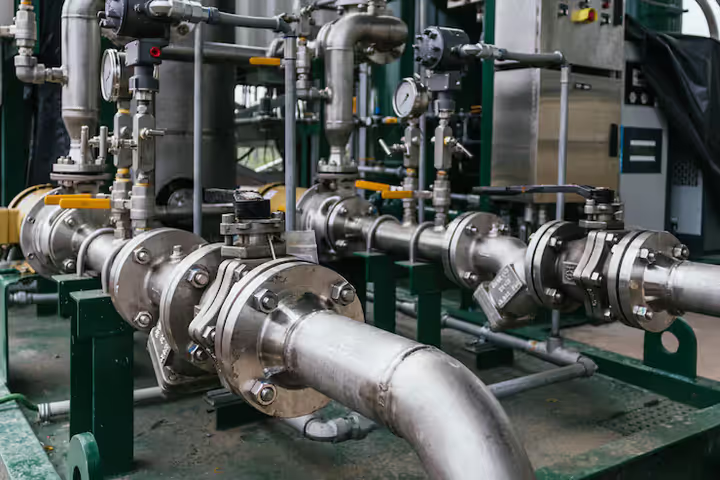
Industrial valves are essential mechanical components used to control, regulate, redirect, and stop the movement of liquids, gases, steam, and other process materials. They play an important role in manufacturing facilities, oil and gas operations, chemical plants, power stations, water treatment facilities, and other industrial environments.
Industrial valves are available in different designs, materials, pressure ratings, and operating mechanisms. Each type is developed for particular operating conditions, including temperature, fluid characteristics, flow requirements, and system pressure.
Understanding industrial valve types, applications, and technical specifications helps engineers, maintenance professionals, and procurement teams identify suitable equipment for different industrial systems.
Why Industrial Valves Are Important in Modern Industries
Industrial operations depend on controlled fluid movement. Incorrect flow regulation can affect equipment performance, production quality, energy efficiency, and workplace safety.
Industrial valves help address these requirements through several functions:
Flow regulation: Adjusting the amount of liquid or gas moving through a pipeline.
System isolation: Stopping fluid movement during maintenance or equipment shutdowns.
Pressure management: Helping maintain suitable pressure within industrial systems.
Backflow prevention: Preventing unwanted reverse movement of fluids.
Process safety: Supporting safe operation through pressure-relief and emergency isolation mechanisms.
Automation: Allowing industrial systems to control fluid movement through automated actuators.
Industrial valve manufacturers develop different product designs to meet the requirements of specific industries and operating environments.
Different Types of Industrial Valves
Understanding the main industrial valve types is important when evaluating equipment for manufacturing and process applications.
1. Ball Valves
Ball valves use a rotating spherical component with a central opening to control fluid movement. A quarter-turn operation generally moves the valve between open and closed positions.
Common characteristics include:
Quick opening and closing.
Reliable shutoff performance.
Compact construction.
Availability in different materials and pressure classes.
Ball valves are commonly used in oil and gas systems, chemical processing, water distribution, and industrial pipelines.
2. Butterfly Valves
Butterfly valves use a rotating disc positioned inside the pipeline. Turning the disc regulates or stops the flow of material.
Important features include:
Lightweight construction.
Compact installation requirements.
Relatively low operating torque in suitable designs.
Availability in different sizes and materials.
Industrial butterfly valves are frequently used in water treatment, HVAC systems, power generation, and large pipeline networks.
3. Gate Valves
Gate valves use a movable gate or wedge to control fluid movement. They are generally designed for fully open or fully closed operation rather than continuous flow regulation.
Typical applications include:
Water distribution networks.
Oil and gas pipelines.
Industrial processing facilities.
Power generation systems.
Gate valve selection depends on pipeline dimensions, pressure requirements, temperature, and the characteristics of the fluid.
4. Globe Valves
Globe valves use a movable disc and stationary seat to regulate fluid movement. Their internal design makes them suitable for applications requiring more controlled throttling.
They are commonly found in:
Steam systems.
Cooling water networks.
Chemical processing facilities.
Industrial pressure-control applications.
5. Check Valves
Check valves allow fluid to move in one direction while restricting reverse flow. They generally operate automatically in response to fluid pressure and movement.
Common designs include swing check valves, lift check valves, and dual-plate check valves.
These products are used in pump discharge lines, water treatment plants, industrial pipelines, and processing equipment.
6. Pressure Relief Valves
Pressure relief valves help protect industrial systems against excessive pressure. Depending on their design, they release fluid when pressure reaches a specified operating threshold.
They are important components in boilers, pressure vessels, chemical processing equipment, and other pressurized systems.
7. Solenoid Valves
Solenoid valves use an electromagnetic coil to operate an internal mechanism that controls fluid movement.
They are frequently used in:
Automated production equipment.
Pneumatic systems.
Water control applications.
Industrial machinery.
Process automation.
Solenoid valve specifications vary according to voltage, operating pressure, fluid compatibility, connection type, and temperature range.
Industrial Valve Applications Across Different Industries
Industrial valves support many sectors by controlling the movement of process materials and maintaining operating conditions.
Oil and Gas Industry
Oil and gas operations use industrial valves throughout exploration, processing, refining, storage, and transportation systems.
Ball valves, gate valves, check valves, and specialized pressure-control valves are used in different pipeline and processing applications.
Valve selection in this sector requires careful attention to pressure ratings, temperature limits, material compatibility, leakage requirements, and applicable industry standards.
Chemical Processing Industry
Chemical facilities handle different liquids, gases, and process mixtures. Industrial chemical processing valves must be compatible with the materials they control.
Stainless steel valves, alloy valves, diaphragm valves, and specialized corrosion-resistant designs may be used depending on chemical properties and operating conditions.
Water and Wastewater Treatment
Water treatment facilities use industrial valves to regulate water distribution, filtration, treatment processes, and wastewater movement.
Common equipment includes butterfly valves, gate valves, check valves, and control valves.
Power Generation
Power plants use valves in steam distribution, cooling systems, boiler operations, and other process applications.
High-temperature and high-pressure operating conditions make technical specifications particularly important when selecting these components.
Food and Pharmaceutical Manufacturing
Food and pharmaceutical facilities require suitable fluid-control equipment for production and processing systems.
Depending on the application, hygienic valve designs, compatible materials, suitable surface finishes, and cleaning requirements must be considered.
Industrial Valve Materials and Their Characteristics
The material used in an industrial valve affects its durability, corrosion resistance, temperature tolerance, and suitability for different process environments.
Stainless Steel Valves
Stainless steel valves are widely used in applications requiring corrosion resistance and suitable mechanical strength. Different stainless steel grades provide different performance characteristics.
Carbon Steel Valves
Carbon steel valves are used in many industrial pipeline and processing systems. Their suitability depends on pressure, temperature, fluid characteristics, and corrosion protection requirements.
Cast Iron and Ductile Iron Valves
These materials are commonly used in water distribution, wastewater management, and selected industrial applications.
Ductile iron generally offers greater mechanical strength and flexibility than conventional grey cast iron.
Alloy Steel Valves
Alloy steel valves are developed for demanding applications that may involve elevated temperatures, pressure, or specialized operating conditions.
PVC and Other Plastic Valves
Plastic valves are used in selected chemical handling, water treatment, and low-pressure applications where material compatibility is appropriate.
How to Choose Suitable Industrial Valves
Selecting the right industrial valve involves evaluating the complete operating environment rather than considering the product name alone.
1. Identify the Application
Determine whether the valve will be used for isolation, flow regulation, pressure control, backflow prevention, or safety protection.
2. Check Pressure and Temperature Ratings
Review the maximum and normal operating pressure and temperature. The selected valve must be suitable for the expected operating range.
3. Evaluate Fluid Compatibility
Consider whether the system handles water, steam, oil, gas, chemicals, or other materials. Check the compatibility of the valve body, internal components, seats, and seals.
4. Select the Appropriate Valve Material
Compare stainless steel, carbon steel, cast iron, ductile iron, and plastic options according to the application.
5. Review Connection and Size Requirements
Check pipeline dimensions, connection types, installation space, and flow requirements.
6. Understand Industry Standards
Review applicable technical standards and certifications. Depending on the application, relevant standards may include API, ASME, ANSI, and ISO requirements.
7. Consider Manual or Automated Operation
Some systems use manually operated valves, while others require pneumatic or electric actuators for remote operation and process automation.
8. Evaluate Maintenance Requirements
Consider inspection access, replacement parts, seal compatibility, maintenance intervals, and expected operating conditions.
Industrial Valve Manufacturers and Suppliers: What to Evaluate
Industrial valve manufacturers and suppliers play an important role in the industrial equipment supply chain. Their product documentation and technical capabilities can help engineering teams assess equipment suitability.
When comparing industrial valve manufacturers, consider the following factors:
Product range, including ball, butterfly, gate, globe, and check valves.
Available body materials and internal component options.
Pressure and temperature ratings.
Manufacturing quality and inspection procedures.
Applicable certifications and technical documentation.
Testing procedures and traceability records.
Actuator and automation compatibility.
Technical documentation and product specifications.
Industrial valve suppliers may also provide equipment from different manufacturers and product categories. Procurement teams should compare technical specifications carefully to ensure that the selected component matches the intended application.
Recent Trends in Industrial Valve Technology
Industrial valve technology continues to evolve as manufacturing facilities adopt automation, digital monitoring, and improved process-control systems.
Smart and Automated Valves
Electric and pneumatic actuators allow valves to operate through automated control systems. These arrangements can support remote operation and more consistent process management.
IoT-Based Monitoring
Industrial facilities are increasingly exploring connected equipment that can provide information about operating conditions, valve position, and system performance.
Advanced Materials
Material development is supporting specialized valve applications involving corrosion, elevated temperatures, and demanding chemical environments.
Energy-Efficient Flow Management
Modern process systems increasingly consider pressure losses, flow characteristics, and equipment efficiency when evaluating valve designs.
Growing Water Treatment Applications
Investment in water infrastructure and wastewater management continues to support the importance of reliable flow-control equipment.
Tools and Resources for Industrial Valve Research
Engineers and procurement teams can use several technical resources when evaluating industrial valve requirements.
Valve sizing calculators: Help estimate suitable valve dimensions based on flow and pressure conditions.
Pressure conversion tools: Convert between common pressure units such as bar, PSI, and kPa.
Flow measurement tools: Support the evaluation of liquid and gas flow requirements.
Material compatibility charts: Help assess whether valve materials are appropriate for particular fluids.
Technical datasheets: Provide details about dimensions, pressure classes, materials, and operating limits.
Engineering standards: Help identify applicable requirements for design, manufacturing, inspection, and testing.
These resources should be used alongside engineering calculations and application-specific technical assessments.
Frequently Asked Questions About Industrial Valves
1. What are industrial valves used for?
Industrial valves control, regulate, redirect, and stop the movement of liquids, gases, steam, and other materials in industrial systems.
2. What are the most common types of industrial valves?
Common types include ball valves, butterfly valves, gate valves, globe valves, check valves, pressure relief valves, and solenoid valves.
3. What is the difference between ball valves and butterfly valves?
Ball valves use a rotating spherical component, while butterfly valves use a rotating disc. Both can provide flow isolation, but their construction, operating characteristics, and applications differ.
4. Which materials are commonly used in industrial valves?
Common materials include stainless steel, carbon steel, cast iron, ductile iron, alloy steel, brass, bronze, and selected plastics.
5. How do industrial valve manufacturers ensure product quality?
Manufacturers may use material inspections, dimensional checks, pressure testing, leakage testing, quality-management systems, and product traceability procedures.
6. What factors affect industrial valve selection?
Important factors include fluid type, pressure, temperature, flow requirements, valve function, material compatibility, pipeline dimensions, and applicable technical standards.
Conclusion
Industrial valves are essential components in modern manufacturing, energy, chemical processing, oil and gas, water treatment, and pharmaceutical operations. Different valve designs perform specific functions, from simple flow isolation to precise regulation and pressure protection.
Understanding industrial valve types, materials, applications, manufacturers, and technical specifications helps engineering and procurement professionals make informed equipment decisions. As industrial automation and connected monitoring technologies continue to develop, reliable valve selection and proper maintenance will remain important for efficient industrial operations.