Heat Pump Efficiency & Installation: A Complete Guide for Homeowners
Heat pumps have become an important part of modern residential heating and cooling systems. As homeowners seek ways to improve energy efficiency and reduce environmental impact, heat pumps are increasingly recognized as a practical technology that can provide year-round indoor comfort.
Understanding how heat pumps work, what affects their efficiency, and how installation influences long-term performance can help homeowners make informed decisions. This guide explains the fundamentals of heat pump efficiency, current industry developments, regulations, useful resources, and common questions.
Understanding Heat Pumps and Their Purpose
A heat pump is a system that transfers heat from one location to another rather than generating heat directly through combustion. During colder months, it extracts heat from outdoor air, the ground, or water sources and moves it indoors. During warmer months, the process reverses, removing heat from indoor spaces and transferring it outside.
Unlike traditional heating systems that rely on burning fuel, heat pumps use electricity to move heat. This process can make them significantly more energy efficient under suitable operating conditions.
The technology exists because traditional heating and cooling systems often consume large amounts of energy. Heat pumps were developed to provide a more efficient alternative capable of delivering both heating and cooling through a single system.
Common types of heat pumps include:
| Heat Pump Type | Primary Heat Source | Typical Application |
|---|---|---|
| Air-Source Heat Pump | Outdoor Air | Residential Homes |
| Ground-Source Heat Pump | Underground Soil | High-Efficiency Properties |
| Water-Source Heat Pump | Nearby Water Body | Specialized Installations |
| Ductless Mini-Split | Outdoor Air | Individual Rooms or Zones |
The performance of a heat pump is typically measured using efficiency ratings such as:
| Efficiency Metric | Purpose |
|---|---|
| SEER2 | Cooling efficiency measurement |
| HSPF2 | Heating efficiency measurement |
| COP | Ratio of heat output to electricity used |
| EER2 | Efficiency during specific operating conditions |
Higher ratings generally indicate better energy performance.
Why Heat Pump Efficiency Matters Today
Energy efficiency has become a major concern for households worldwide. Rising energy consumption, environmental considerations, and increasing attention to sustainable building practices have made efficient heating and cooling systems more relevant than ever.
Heat pump efficiency affects several important areas:
Household Energy Consumption
Heating and cooling often represent a significant portion of residential energy use. Efficient heat pumps can help reduce overall electricity demand compared to some conventional systems.
Environmental Impact
Heat pumps can contribute to lower greenhouse gas emissions when paired with cleaner electricity sources. Many countries include heat pump adoption in broader climate and energy strategies.
Indoor Comfort
Modern heat pumps provide consistent temperature control throughout the year. Advanced inverter technology allows systems to adjust output based on demand, improving comfort and reducing unnecessary energy use.
Property Performance
Energy-efficient homes are increasingly associated with modern building standards. Heat pump installations often align with broader energy management objectives in residential construction.
Challenges Solved by Heat Pumps
Heat pumps help address several common issues:
- High energy consumption from older heating systems
- Separate heating and cooling equipment requirements
- Uneven indoor temperature control
- Dependence on fossil-fuel-based heating
- Growing energy efficiency expectations
The following chart illustrates a simplified comparison of relative energy utilization.
| System Type | Relative Energy Utilization |
|---|---|
| Electric Resistance Heating | High |
| Conventional Furnace Systems | Moderate |
| Modern Heat Pumps | Lower |
| Ground-Source Heat Pumps | Lowest Among Common Residential Options |
Actual performance varies depending on climate, installation quality, insulation levels, and equipment specifications.
Recent Developments and Industry Trends
The heat pump industry has experienced significant developments over the past year.
Improved Cold-Climate Performance (2025–2026)
Manufacturers have continued improving cold-climate heat pump technology. Newer systems are designed to maintain heating capacity even in lower outdoor temperatures, expanding their suitability in colder regions.
Growth of Smart Heat Pump Controls
Throughout 2025 and early 2026, smart thermostats and connected monitoring platforms became increasingly integrated with heat pump systems. These technologies allow homeowners to:
- Monitor energy performance
- Adjust schedules remotely
- Track efficiency trends
- Receive maintenance notifications
Refrigerant Transition Initiatives
The heating and cooling industry has been moving toward refrigerants with lower global warming potential (GWP). Many newer heat pump models introduced during 2025 and 2026 incorporate alternative refrigerants that align with evolving environmental objectives.
Electrification Programs
Numerous countries have expanded building electrification initiatives. These programs often encourage the adoption of efficient electric heating technologies as part of long-term energy transition strategies.
Improved Installation Standards
Industry organizations have emphasized proper sizing, airflow management, and system commissioning. Research continues to show that installation quality significantly influences actual operating efficiency.
Regulations, Policies, and Government Programs
Heat pump adoption is influenced by regulations and policy frameworks in many regions.
Energy Efficiency Standards
Governments frequently establish minimum efficiency requirements for heating and cooling equipment. These standards help ensure that newly installed systems meet baseline performance expectations.
Examples include:
- Seasonal efficiency rating requirements
- Product testing protocols
- Equipment labeling programs
- Building energy performance standards
Building Codes
Modern building codes increasingly incorporate energy efficiency measures. In some areas, heat pumps are recognized as an effective solution for meeting residential energy requirements.
Refrigerant Regulations
Environmental regulations often influence the refrigerants used in heat pump systems. Manufacturers must comply with evolving standards related to emissions and environmental impact.
Electrification and Decarbonization Policies
Many national and regional governments have introduced policies aimed at reducing carbon emissions from buildings. Heat pumps frequently play a role in these initiatives because they can operate using electricity rather than direct fossil fuel combustion.
Home Energy Programs
Various countries support energy-efficiency improvements through:
- Educational resources
- Technical guidance
- Energy audits
- Performance certification programs
- Building efficiency assessments
Program availability varies by location and may change over time.
Helpful Tools and Resources for Homeowners
A variety of digital tools and resources can help homeowners evaluate heat pump performance and installation considerations.
Energy Efficiency Calculators
Energy calculators can estimate:
- Annual electricity consumption
- Heating demand
- Cooling demand
- Potential efficiency improvements
Smart Thermostat Platforms
Connected thermostat applications allow users to:
- Create schedules
- Monitor temperature trends
- Review system runtime data
- Optimize comfort settings
Home Energy Assessment Tools
Many utility providers and energy organizations offer online assessment tools that help homeowners understand:
- Insulation performance
- Heating efficiency
- Air leakage issues
- Overall building energy use
Technical Specification Databases
Equipment databases provide access to:
- Efficiency ratings
- Product specifications
- Performance certifications
- Testing results
Maintenance Tracking Applications
Digital maintenance tools help track:
- Filter replacement schedules
- System inspections
- Performance records
- Service history
Useful categories of resources include:
| Resource Type | Purpose |
|---|---|
| Efficiency Calculators | Estimate energy performance |
| Smart Thermostat Apps | Monitor and control operation |
| Energy Assessment Tools | Evaluate home efficiency |
| Product Databases | Compare equipment ratings |
| Maintenance Trackers | Organize system upkeep |
Frequently Asked Questions
What determines heat pump efficiency?
Heat pump efficiency depends on several factors, including equipment design, climate conditions, insulation quality, system sizing, airflow management, and installation practices. Proper installation is often just as important as the equipment itself.
Can a heat pump provide both heating and cooling?
Yes. Most residential heat pumps can provide heating during colder months and cooling during warmer months. This dual functionality is one reason they are widely used in modern homes.
How important is professional installation?
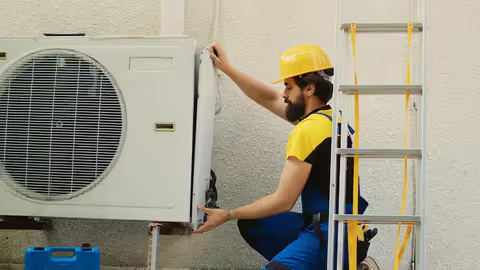
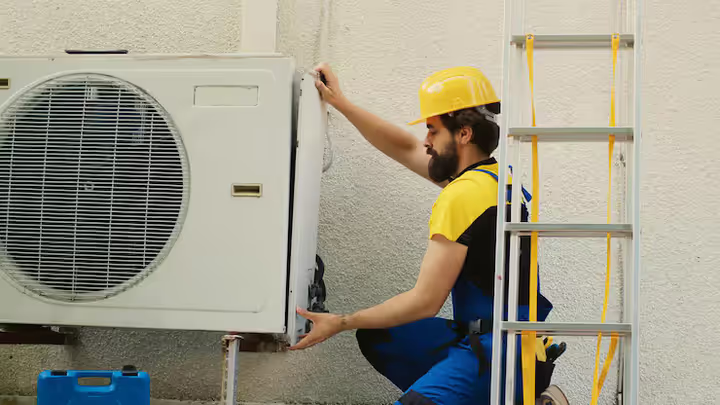
Installation quality significantly affects performance. Incorrect sizing, poor airflow, inadequate refrigerant levels, or improper ductwork configuration can reduce efficiency and comfort.
Are heat pumps suitable for colder climates?
Modern cold-climate heat pumps have improved substantially. Many newer models can continue operating effectively in lower outdoor temperatures compared to earlier generations.
What maintenance does a heat pump require?
Typical maintenance includes:
- Cleaning or replacing air filters
- Inspecting outdoor units
- Checking airflow pathways
- Reviewing thermostat settings
- Scheduling periodic professional inspections
Regular maintenance helps support consistent performance and system longevity.
Conclusion
Heat pumps have become an increasingly important technology in residential heating and cooling due to their ability to transfer heat efficiently rather than generate it directly. Their growing adoption reflects broader trends in energy efficiency, building electrification, and environmental sustainability.
For homeowners, understanding efficiency ratings, installation requirements, current industry developments, and applicable regulations is essential when evaluating heat pump systems. Factors such as proper sizing, professional installation, routine maintenance, and home insulation all play significant roles in achieving optimal performance.
As technology continues to evolve through improved cold-climate operation, smarter controls, and lower-impact refrigerants, heat pumps are expected to remain a key component of modern residential energy strategies. By staying informed and using available tools and resources, homeowners can better understand how these systems contribute to comfortable, efficient, and sustainable living environments.